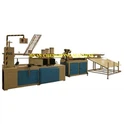
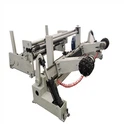
Hey there! As a supplier of Paper Tube Machinery, I've seen firsthand the importance of safety when operating these machines. Whether you're running a small workshop or a large-scale production facility, taking the right safety precautions is crucial to prevent accidents and ensure a smooth operation. In this blog, I'll share some key safety tips that every operator should keep in mind.
Pre - operation Checks
Before you even start the paper tube machinery, there are a bunch of checks you need to do. First off, take a good look at the machine's physical condition. Check for any loose parts, damaged belts, or frayed wires. Loose parts can cause the machine to malfunction, and damaged electrical components are a major fire and electrocution hazard.
Inspect the lubrication system as well. Proper lubrication is essential for the smooth running of the machine. If the moving parts aren't well - lubricated, it can lead to excessive wear and tear, and in some cases, the machine might even seize up. Make sure the oil levels are correct and that there are no leaks.
Another important thing is to check the cutting tools. Dull or damaged cutting tools can not only produce poor - quality paper tubes but also increase the risk of accidents. If the blade isn't sharp, it might require more force to cut the paper, which can cause the operator to lose control. Replace any worn - out blades before starting the machine.
Operator Training
This is a huge deal. You don't want just anyone operating your Paper Core Production Line. All operators should receive comprehensive training on how to use the machinery safely. The training should cover everything from basic machine operation to emergency procedures.
Teach operators how to load and unload materials properly. For example, when loading paper onto the machine, make sure it's aligned correctly. Misaligned paper can cause jams, which might force the operator to reach into the machine to clear them. And reaching into a running machine is extremely dangerous.
Operators also need to know how to adjust the machine settings according to the type of paper tube they're making. Different types of tubes may require different speeds, pressures, and cutting depths. Incorrect settings can not only affect the quality of the product but also pose a safety risk.
Personal Protective Equipment (PPE)
PPE is non - negotiable when operating paper tube machinery. First and foremost, safety glasses should be worn at all times. Paper dust and debris can fly around during the cutting and winding process, and these can cause serious eye injuries.
Gloves are also a must. They protect the operator's hands from cuts, abrasions, and paper dust. But make sure to choose the right type of gloves. For example, don't wear loose - fitting gloves as they can get caught in the moving parts of the machine.


Ear protection is important too, especially if you're working in a noisy environment. Paper tube machinery can generate a significant amount of noise, and prolonged exposure to high - level noise can lead to hearing loss. So, wear earplugs or earmuffs to protect your ears.
Machine Guards
All paper tube machinery should be equipped with proper machine guards. These guards are designed to prevent operators from coming into contact with the moving parts of the machine, such as the cutting blades, rollers, and motors.
Make sure the guards are in place and in good condition before starting the machine. Don't remove or bypass the guards for any reason, even if you think it'll make the job a bit easier. It's just not worth the risk. If a guard is damaged, repair or replace it immediately.
Emergency Stop Buttons
Every paper tube machine should have easily accessible emergency stop buttons. In case of an emergency, such as a jam or an operator's hand getting caught in the machine, the operator should be able to stop the machine quickly.
Train operators on the location and function of the emergency stop buttons. Make sure they know that using the emergency stop button is the right thing to do in an emergency situation, and they won't get in trouble for it. After using the emergency stop button, always follow the proper restart procedures to ensure the machine is safe to operate again.
Maintenance and Inspection
Regular maintenance and inspection of the paper tube machinery are essential for safety. Set up a maintenance schedule and stick to it. This includes tasks such as cleaning the machine, checking the electrical connections, and tightening any loose bolts or nuts.
Inspect the machine regularly for signs of wear and tear. For example, if you notice that a particular belt is starting to show signs of cracking, replace it before it breaks and causes an accident. Keep a record of all maintenance and inspection activities, so you can track the machine's condition over time.
Handling and Storage of Materials
Proper handling and storage of paper materials are also important for safety. When handling large rolls of paper, use the right equipment, such as a forklift or a pallet jack. Make sure the roll is stable and secure during transportation.
Store paper rolls in a dry and well - ventilated area. An unstable stack of paper rolls can topple over and cause injury. And if the paper gets wet, it can affect the quality of the paper tubes and also pose a slipping hazard in the workplace.
Safety in Different Machine Types
If you're using a Parallel Paper Core Making Machine, pay special attention to the alignment of the paper rolls. Misaligned rolls can cause uneven pressure on the machine and lead to jams.
For Spiral Paper Core Winder, the tension control is crucial. Incorrect tension can cause the paper to break or the core to be of poor quality. And when the paper breaks during the winding process, there's a risk of the operator getting entangled in the paper.
Fire Safety
Paper is a flammable material, so fire safety is a big concern when operating paper tube machinery. Keep fire extinguishers in easily accessible locations near the machines. Make sure all operators know how to use them.
Avoid creating a dusty environment as much as possible. Paper dust can be highly combustible. Regularly clean up any dust and debris from the machine and the surrounding area. And make sure there are no open flames or smoking areas near the paper tube production area.
Contact for Purchase and Consultation
If you're looking for high - quality paper tube machinery and want to learn more about how to operate it safely, we're here to help. We can provide you with detailed product information and support to ensure you get the most out of your investment. Whether you're just starting out or looking to upgrade your existing equipment, feel free to reach out to us for a consultation. We're always ready to assist you in finding the best solutions for your paper tube production needs.
References
- "Industrial Machine Safety Handbook"
- "Paper Manufacturing and Processing Safety Guidelines"
- "Occupational Safety and Health Administration (OSHA) Standards for Machinery Operation"