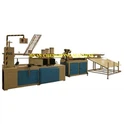
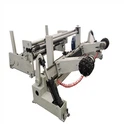
Are there any environmental requirements for operating a paper tube winding machine? That's a question I often get asked as a supplier of Paper Tube Winding Machines. In this blog, I'll share my insights on this topic and explain how environmental factors can impact the operation of these machines.
Let's start with the basics. Paper tube winding machines are used to make all sorts of paper tubes, from the cores for toilet paper to industrial - strength tubes. They work by winding paper around a mandrel, layer by layer, until the desired tube thickness is achieved. As a supplier, I've seen firsthand how different environmental conditions can affect the performance of these machines.
Temperature
One of the most critical environmental factors is temperature. Paper is a hygroscopic material, which means it absorbs and releases moisture based on the surrounding humidity and temperature. When the temperature is too high, the paper can become dry and brittle. This makes it more likely to break during the winding process, leading to production delays and increased waste. On the other hand, if the temperature is too low, the adhesives used in the paper tube winding process may not cure properly. Adhesives play a crucial role in holding the layers of paper together, and improper curing can result in weak tubes that are prone to separation.
For optimal performance, the temperature in the area where the paper tube winding machine operates should be maintained between 20°C - 25°C (68°F - 77°F). This range provides a stable environment for the paper and adhesives, ensuring that the tubes are wound smoothly and have the right strength.
Humidity
Humidity is another key environmental factor. High humidity can cause the paper to absorb too much moisture, making it soft and difficult to handle. The extra moisture can also affect the performance of the machine's mechanical components, such as the rollers and guides. Rust can form on metal parts, which not only shortens the lifespan of the machine but can also contaminate the paper tubes.
Conversely, low humidity can lead to static electricity build - up. Static electricity can attract dust and debris to the paper, which can cause imperfections in the tubes. It can also interfere with the smooth feeding of the paper through the machine. To control humidity, it's recommended to keep the relative humidity in the operating area between 40% - 60%. You can use dehumidifiers or humidifiers to achieve and maintain this range.
Air Quality
The air quality in the vicinity of the paper tube winding machine is also important. Dust and particulate matter in the air can settle on the paper and the machine's components. If dust gets between the layers of paper during the winding process, it can create weak spots in the tube. Moreover, dust can clog the machine's filters and ventilation systems, reducing its efficiency and potentially causing overheating.
To ensure good air quality, it's advisable to have a proper ventilation system in the operating area. This can help remove dust and fumes generated during the production process. Regular cleaning of the machine and the surrounding area is also essential to keep the air clean and prevent dust accumulation.
Noise and Vibration
Paper tube winding machines can generate a significant amount of noise and vibration during operation. While these factors don't directly affect the environment in the traditional sense, they can have an impact on the workplace environment and the well - being of the operators. Excessive noise can lead to hearing problems for the workers, and high - level vibrations can cause discomfort and even affect the accuracy of the machine's operation.
To mitigate these issues, it's important to install the machine on a stable and vibration - absorbing foundation. You can also use noise - reducing enclosures or ear protection for the operators.
Impact on Different Types of Paper Tube Winding Machines
Different types of paper tube winding machines may have slightly different environmental requirements. For example, a Toilet Paper Core Machine is often used in a more consumer - oriented production environment. These machines usually require a cleaner and more controlled environment to ensure that the toilet paper cores are free from contaminants.
On the other hand, a Spiral Paper Core Winder is used to make spiral - wound paper cores, which are often used in industrial applications. These machines may be more tolerant of slightly less - than - ideal environmental conditions, but still, temperature, humidity, and air quality need to be monitored.
The Parallel Paper Core Making Machine creates parallel - wound paper tubes. Since the parallel winding process requires precise alignment of the paper layers, it's especially sensitive to factors like static electricity (caused by low humidity) and vibration.
Compliance with Environmental Regulations
In addition to the practical environmental requirements for the operation of paper tube winding machines, there are also regulatory aspects to consider. Many countries and regions have environmental regulations regarding air quality, noise pollution, and waste management. As a supplier, I always advise my customers to ensure that their production facilities comply with these regulations.
For example, proper waste management is crucial. The paper tube winding process generates waste in the form of scrap paper and used adhesives. Recycling the scrap paper can not only reduce environmental impact but also save costs. Adhesives and other chemicals used in the process should be disposed of in an environmentally friendly manner.


Conclusion
In conclusion, there are indeed several environmental requirements for operating a paper tube winding machine. Temperature, humidity, air quality, noise, and vibration all play important roles in ensuring the smooth operation of the machine and the production of high - quality paper tubes. By maintaining the right environmental conditions, operators can improve the efficiency of the machine, reduce waste, and extend the lifespan of the equipment.
If you're in the market for a paper tube winding machine or have any questions about their environmental requirements, don't hesitate to reach out. We're here to help you find the right machine for your needs and provide guidance on creating an optimal operating environment. Let's start a conversation about your paper tube production requirements and see how we can work together to achieve your goals.
References
- "Paper Technology Handbook" - Covers general knowledge about paper properties and manufacturing processes.
- Industry standards and guidelines for paper tube production from relevant associations.