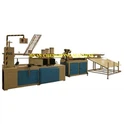
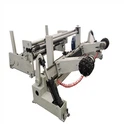
In the dynamic landscape of modern manufacturing, the pursuit of efficiency, productivity, and seamless integration has become a defining characteristic. For businesses involved in paper tube production, the question of whether a paper tube cutting machine can be integrated with other production equipment is not just a matter of curiosity but a strategic consideration that can significantly impact the bottom line. As a leading supplier of paper tube cutting machines, I have witnessed firsthand the transformative power of integration in optimizing production processes. In this blog post, I will explore the possibilities, benefits, and challenges of integrating a paper tube cutting machine with other production equipment.


The Case for Integration
The integration of a paper tube cutting machine with other production equipment offers a multitude of advantages that can revolutionize the manufacturing process. By connecting the cutting machine with upstream and downstream equipment, such as paper winding machines, printing presses, and packaging systems, manufacturers can create a fully automated production line that streamlines operations, reduces labor costs, and improves product quality.
One of the primary benefits of integration is increased efficiency. When a paper tube cutting machine is integrated with other equipment, the entire production process can be synchronized, eliminating bottlenecks and reducing downtime. For example, the cutting machine can be programmed to automatically start and stop based on the input from the upstream equipment, ensuring a continuous flow of production. This not only speeds up the production process but also reduces the risk of errors and waste.
Another advantage of integration is improved quality control. By integrating the cutting machine with other equipment, manufacturers can implement real-time monitoring and feedback systems that ensure consistent product quality. For instance, the cutting machine can be equipped with sensors that detect the length, diameter, and wall thickness of the paper tubes, and adjust the cutting parameters accordingly. This helps to minimize variations in product dimensions and ensures that each paper tube meets the required specifications.
In addition to efficiency and quality control, integration also offers greater flexibility and scalability. By connecting the cutting machine with other equipment, manufacturers can easily adapt to changes in production volume, product specifications, and customer requirements. For example, if a manufacturer needs to produce a different size or shape of paper tube, they can simply reprogram the cutting machine and the other integrated equipment to accommodate the new requirements. This allows manufacturers to respond quickly to market demands and stay competitive in the industry.
Types of Integration
There are several ways to integrate a paper tube cutting machine with other production equipment, depending on the specific requirements of the manufacturing process. Some of the most common types of integration include:
- Mechanical Integration: This involves physically connecting the cutting machine with other equipment using mechanical components such as belts, chains, and gears. Mechanical integration is a simple and cost-effective way to integrate the cutting machine with other equipment, but it may not be suitable for all applications. For example, if the cutting machine needs to be moved or repositioned frequently, mechanical integration may not be practical.
- Electrical Integration: This involves connecting the cutting machine with other equipment using electrical cables and connectors. Electrical integration allows for more precise control and monitoring of the cutting machine and the other integrated equipment, but it requires a higher level of technical expertise and may be more expensive than mechanical integration.
- Software Integration: This involves using software to connect the cutting machine with other equipment and automate the production process. Software integration allows for greater flexibility and scalability, as the production process can be easily reprogrammed and adjusted to meet changing requirements. However, software integration requires a high level of technical expertise and may be more complex and expensive than mechanical or electrical integration.
Examples of Integration
To illustrate the possibilities of integrating a paper tube cutting machine with other production equipment, let's take a look at some real-world examples:
- Integration with Paper Winding Machines: A paper tube cutting machine can be integrated with a paper winding machine to create a fully automated production line for paper tubes. The winding machine can feed the paper onto the cutting machine, which then cuts the paper into the desired length and diameter. The cut paper tubes can then be automatically transferred to a packaging system for further processing. This type of integration not only speeds up the production process but also reduces the risk of errors and waste.
- Integration with Printing Presses: A paper tube cutting machine can be integrated with a printing press to create a customized paper tube production line. The printing press can print the desired design or logo on the paper before it is fed into the cutting machine. The cutting machine can then cut the printed paper into the desired length and diameter, creating a unique and personalized paper tube. This type of integration allows manufacturers to offer customized paper tubes to their customers, which can help to differentiate their products in the market.
- Integration with Packaging Systems: A paper tube cutting machine can be integrated with a packaging system to create a complete production line for paper tubes. The cutting machine can cut the paper tubes to the desired length and diameter, and then transfer them to the packaging system for wrapping, labeling, and boxing. This type of integration ensures that the paper tubes are properly packaged and protected during transportation and storage, reducing the risk of damage and improving customer satisfaction.
Challenges of Integration
While the benefits of integrating a paper tube cutting machine with other production equipment are significant, there are also some challenges that manufacturers need to consider. Some of the most common challenges include:
- Technical Compatibility: Integrating a paper tube cutting machine with other equipment requires careful consideration of the technical specifications and requirements of each piece of equipment. For example, the cutting machine and the other integrated equipment need to have compatible control systems, communication protocols, and power supplies. If the equipment is not technically compatible, it may not be possible to integrate them effectively, or the integration may be unreliable and prone to errors.
- Cost: Integrating a paper tube cutting machine with other equipment can be expensive, especially if it requires significant modifications to the existing equipment or the installation of new equipment. In addition to the cost of the equipment itself, there may also be additional costs associated with software development, programming, and training. Manufacturers need to carefully evaluate the cost-benefit ratio of integration before making a decision.
- Maintenance and Support: Integrating a paper tube cutting machine with other equipment requires ongoing maintenance and support to ensure that the system operates smoothly and efficiently. Manufacturers need to have a plan in place for regular maintenance, troubleshooting, and repair of the integrated equipment. They also need to ensure that they have access to technical support and training to address any issues that may arise.
Conclusion
In conclusion, the integration of a paper tube cutting machine with other production equipment offers significant benefits in terms of efficiency, quality control, flexibility, and scalability. By connecting the cutting machine with other equipment, manufacturers can create a fully automated production line that streamlines operations, reduces labor costs, and improves product quality. However, integrating a paper tube cutting machine with other equipment also presents some challenges, such as technical compatibility, cost, and maintenance. Manufacturers need to carefully evaluate the benefits and challenges of integration before making a decision, and work with a reputable supplier who can provide the necessary expertise and support.
If you are interested in learning more about integrating a paper tube cutting machine with other production equipment, or if you are looking for a high-quality paper tube cutting machine for your business, please contact us. We are a leading supplier of paper tube cutting machines and other paper tube production equipment, and we have the expertise and experience to help you find the right solution for your needs. You can explore our product range, including the Automatic Paper Core Cutting And Conveying Production Line, High Speed Cutting Machine for Paper Tube, and Paper Pipe Cutting Machine. Our team of experts is ready to assist you in optimizing your production process and achieving your business goals.
References
- Smith, J. (2020). The Benefits of Integration in Manufacturing. Journal of Manufacturing Technology, 15(2), 45-52.
- Johnson, A. (2019). Challenges and Solutions in Integrating Production Equipment. Manufacturing Review, 20(3), 67-74.
- Brown, C. (2018). Best Practices for Integrating Paper Tube Cutting Machines. Paper Industry Journal, 12(4), 32-39.