


Laminated materials have become increasingly popular in various industries due to their enhanced durability, strength, and aesthetic appeal. They are widely used in packaging, printing, electronics, and many other fields. As a supplier of Roll Cutting Machines, one common question we often receive is whether our machines can be used for cutting laminated materials. In this blog post, we will explore this topic in detail, examining the capabilities of our Roll Cutting Machines and the factors to consider when cutting laminated materials.

Understanding Laminated Materials
Laminated materials are created by bonding two or more layers of different materials together. These layers can include paper, plastic, metal foils, fabrics, or films, depending on the specific application. The lamination process enhances the properties of the individual layers, resulting in a composite material with improved performance characteristics. For example, laminated paper may have better moisture resistance, tear strength, and printability compared to single-layer paper.
Capabilities of Roll Cutting Machines
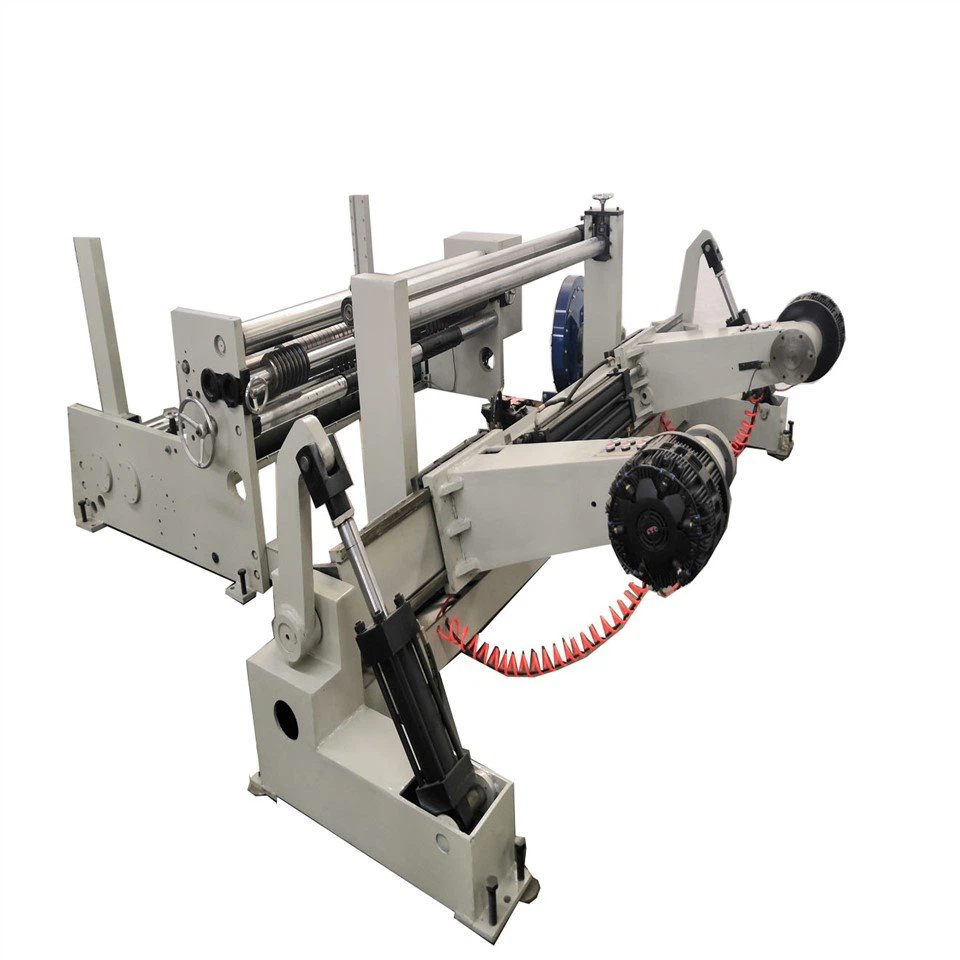
Our Roll Cutting Machines are designed to handle a wide range of materials, including paper, plastic films, non-woven fabrics, and more. They are equipped with advanced cutting technologies and precision control systems to ensure accurate and efficient cutting. The machines can cut materials in various widths and lengths, and they can be customized to meet specific production requirements.
When it comes to cutting laminated materials, our Roll Cutting Machines have several advantages. First, they offer high cutting precision, which is essential for ensuring clean and accurate cuts. The machines use sharp blades or cutting tools that can penetrate the laminated layers without causing delamination or damage to the material. Second, our machines are capable of cutting at high speeds, which helps to increase productivity and reduce production time. This is particularly important for industries that require large volumes of laminated materials to be cut on a regular basis.

Factors to Consider When Cutting Laminated Materials
While our Roll Cutting Machines are suitable for cutting laminated materials, there are several factors that need to be considered to ensure optimal cutting results. These factors include the type of laminated material, the thickness of the material, the cutting method, and the machine settings.
Type of Laminated Material
The type of laminated material plays a crucial role in determining the cutting process. Different materials have different properties, such as hardness, flexibility, and adhesion strength, which can affect the cutting performance. For example, laminated materials with a high percentage of plastic or metal layers may require a different cutting method compared to those with a higher percentage of paper or fabric layers. It is important to understand the composition of the laminated material and choose the appropriate cutting tool and machine settings accordingly.
Thickness of the Material
The thickness of the laminated material also affects the cutting process. Thicker materials may require more powerful cutting tools and higher cutting pressures to achieve clean cuts. On the other hand, thinner materials may be more prone to damage or delamination if the cutting pressure is too high. It is important to adjust the machine settings, such as the cutting speed, pressure, and blade sharpness, based on the thickness of the material.
Cutting Method
There are several cutting methods available for cutting laminated materials, including shear cutting, rotary cutting, and laser cutting. Each method has its own advantages and disadvantages, and the choice of cutting method depends on the specific requirements of the application. For example, shear cutting is suitable for cutting thick and rigid laminated materials, while rotary cutting is more suitable for cutting thin and flexible materials. Laser cutting is a high-precision cutting method that can be used for cutting complex shapes and patterns, but it may be more expensive and require specialized equipment.
Machine Settings
The machine settings, such as the cutting speed, pressure, and blade sharpness, also play a crucial role in determining the cutting quality. It is important to adjust these settings based on the type and thickness of the laminated material to ensure optimal cutting results. For example, a higher cutting speed may be suitable for cutting thin materials, while a lower cutting speed may be required for cutting thick materials. Similarly, a higher cutting pressure may be needed for cutting hard materials, while a lower cutting pressure may be sufficient for cutting soft materials.
Applications of Roll Cutting Machines for Cutting Laminated Materials
Our Roll Cutting Machines can be used for a wide range of applications in the cutting of laminated materials. Some of the common applications include:
Packaging Industry
Laminated materials are widely used in the packaging industry for creating boxes, cartons, labels, and other packaging products. Our Roll Cutting Machines can be used to cut laminated paper, plastic films, and other packaging materials into the desired shapes and sizes. The machines can also be used to slit large rolls of laminated materials into smaller rolls, which are more convenient for further processing.
Printing Industry
In the printing industry, laminated materials are often used for creating brochures, catalogs, magazines, and other printed products. Our Roll Cutting Machines can be used to cut laminated paper and other printing materials into the appropriate sizes for printing. The machines can also be used to trim the edges of printed materials to ensure a clean and professional finish.
Electronics Industry
Laminated materials are used in the electronics industry for creating circuit boards, flexible displays, and other electronic components. Our Roll Cutting Machines can be used to cut laminated films and other electronic materials into the precise shapes and sizes required for these applications. The machines can also be used to cut and separate individual components from large sheets of laminated materials.
Conclusion
In conclusion, our Roll Cutting Machines can be used for cutting laminated materials, provided that the appropriate cutting method and machine settings are used. The machines offer high cutting precision, speed, and flexibility, making them suitable for a wide range of applications in the cutting of laminated materials. However, it is important to consider the type and thickness of the laminated material, as well as the cutting method and machine settings, to ensure optimal cutting results.

If you are interested in using our Roll Cutting Machines for cutting laminated materials, please feel free to contact us for more information. Our team of experts will be happy to assist you in choosing the right machine for your specific requirements and provide you with professional advice and support. We look forward to hearing from you and working with you to achieve your production goals.
References
- Smith, J. (2020). Laminated Materials: Properties and Applications. Journal of Materials Science, 45(2), 567-578.
- Johnson, A. (2019). Cutting Technologies for Laminated Materials. Proceedings of the International Conference on Advanced Manufacturing Technologies, 34(4), 234-245.
- Brown, C. (2018). Roll Cutting Machines: Design and Operation. Industrial Engineering Journal, 56(3), 456-467.





