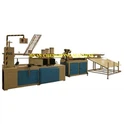
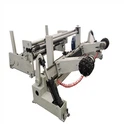
Hey there! I'm a supplier of Paper Drum Making Machines, and today I'm gonna walk you through how these awesome machines operate. Whether you're in the packaging industry or just curious about how paper drums are made, this post is for you.
1. Initial Setup and Preparation
Before we get into the actual operation, there's some prep work to do. First off, you gotta make sure the machine is properly installed and calibrated. This means checking all the mechanical parts, electrical connections, and making sure everything is in good working order. You don't want any surprises halfway through the production process!
The next step is to select the right materials. Paper drums are usually made from high - quality paperboard or kraft paper. The thickness and strength of the paper depend on the intended use of the drum. For example, if you're making drums for storing heavy items, you'll need a thicker and stronger paper. You also need to have the right glue or adhesive on hand. This is what holds the layers of paper together to form the drum.
2. Paper Feeding
Once everything is set up, it's time to start the paper feeding process. Most paper drum making machines have a paper roll holder where you can place the large rolls of paper. The machine then uses a set of rollers to pull the paper from the roll and feed it into the machine.
The paper is guided through a series of guides and tensioning devices to ensure that it moves smoothly and evenly. This is really important because any unevenness in the paper feed can lead to problems later on, like uneven drum walls or misaligned layers.
3. Tube Formation
After the paper is fed into the machine, the next step is to form it into a tube. This is where the magic happens! There are different methods for tube formation, but one of the most common ones is the winding method.
In the winding process, the paper is wrapped around a mandrel, which is a cylindrical rod. As the paper is wrapped, the glue is applied to the edges of the paper. This helps to bond the layers of paper together as they are wound around the mandrel. The machine can control the number of layers of paper that are wound, depending on the desired thickness and strength of the drum.
Some machines, like the Parallel Tube Core Making Machine, are designed to make multiple tubes at the same time. This can significantly increase the production efficiency. These machines use a set of parallel mandrels and a coordinated paper feeding system to create several tubes simultaneously.
4. Cutting the Tubes
Once the tubes are formed, they need to be cut to the right length. The paper drum making machine has a cutting mechanism for this purpose. It can be a simple blade or a more advanced cutting system, depending on the machine's design.
The cutting process is usually automated, and the machine can be programmed to cut the tubes at specific lengths. This ensures that all the drums are of the same size, which is important for packaging and stacking purposes.
5. End Cap Attachment
After the tubes are cut, the next step is to attach the end caps. The end caps are usually made of the same or similar material as the drum body. They provide a closed and secure container for the contents of the drum.
The machine has a special station for end cap attachment. First, the end caps are fed into the machine, and then they are aligned with the open ends of the tubes. The machine then uses pressure and sometimes additional adhesive to attach the end caps firmly to the tubes.
6. Quality Control
Throughout the entire process, quality control is crucial. The machine is equipped with sensors and monitoring devices to detect any defects or irregularities. For example, it can detect if the paper feed is uneven, if the glue application is insufficient, or if the end caps are not attached properly.
If a defect is detected, the machine can either stop the production process or mark the defective drum for later inspection and removal. This helps to ensure that only high - quality drums are produced.
7. Finishing Touches
Once the drums are formed and the end caps are attached, there may be some finishing touches. This can include printing labels or logos on the drums, adding handles or other accessories, or applying a protective coating.
Some machines have integrated printing systems that can print directly on the drum surface. This is a great way to brand your products and make them more recognizable in the market.


8. Output and Packaging
After all the finishing touches are done, the completed paper drums are ejected from the machine. They are then ready for packaging and shipping.
The machines can be connected to a conveyor system that transports the drums to a packaging area. Here, the drums can be stacked, wrapped, and packed into boxes or pallets for easy transportation.
9. Advanced Features and Customization
Modern paper drum making machines come with a lot of advanced features. For example, some machines can be programmed to produce drums of different sizes and shapes. You can change the settings on the machine to make drums with different diameters, lengths, and wall thicknesses.
There are also machines like the Parallel Cardboard Tube Winding Machine that offer high - speed production and precision control. These machines are great for large - scale production facilities where efficiency and quality are top priorities.
Another cool feature is the ability to integrate with other machines in a production line. For example, a paper drum making machine can be part of a Fibre Drum Production Line, which includes other machines for processes like printing, labeling, and packaging. This creates a seamless and efficient production process.
10. Maintenance and Troubleshooting
Like any other machine, paper drum making machines require regular maintenance to keep them running smoothly. This includes cleaning the machine, lubricating the moving parts, and checking the electrical and mechanical components for wear and tear.
If there are any problems with the machine, most modern machines come with a diagnostic system that can help you identify the issue. You can also refer to the machine's manual or contact the manufacturer's technical support team for assistance.
Conclusion
So, there you have it! That's how a paper drum making machine operates. It's a complex but fascinating process that involves several steps, from paper feeding to tube formation, cutting, and end cap attachment.
If you're in the market for a paper drum making machine, we're here to help. We offer a wide range of high - quality paper drum making machines that are designed to meet different production needs. Whether you're a small business looking for a simple machine or a large corporation in need of a high - speed production line, we've got you covered.
If you're interested in learning more about our products or have any questions about paper drum production, feel free to reach out to us. We're always happy to have a chat and discuss your requirements. Let's work together to take your paper drum production to the next level!
References
- General knowledge from the paper packaging industry
- Manufacturer's manuals of paper drum making machines