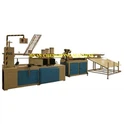
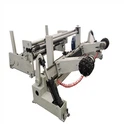
When operating a paper tube winding machine, ensuring safety is of utmost importance. As a leading supplier of Paper Tube Winding Machines, we understand the critical role that safety precautions play in the efficient and secure operation of these machines. In this blog, we will delve into the essential safety measures that should be taken when using a paper tube winding machine.
Pre - operation Safety Checks
Before starting the paper tube winding machine, a series of pre - operation safety checks are necessary. First, inspect the machine's overall condition. Look for any visible signs of damage, such as cracks in the frame, loose parts, or frayed cables. A damaged machine can pose a significant safety risk during operation. For example, a loose part could come off during high - speed rotation and cause injury to the operator or damage other components of the machine.
Check the electrical system thoroughly. Ensure that all electrical connections are tight and there are no exposed wires. Faulty electrical connections can lead to electrical shocks or short - circuits, which may not only harm the operator but also cause a fire hazard. Make sure that the machine is properly grounded. Grounding helps to prevent electrical shocks by providing a safe path for the electrical current in case of a fault.
Verify the lubrication of moving parts. Proper lubrication reduces friction and wear, which is crucial for the smooth operation of the machine. Insufficient lubrication can cause overheating and mechanical failures. For instance, if the bearings in the winding mechanism are not lubricated, they may seize up, leading to sudden stops and potential damage to the paper tube and the machine itself.
Inspect the cutting blades (if applicable). Dull or damaged blades can cause uneven cuts and increase the risk of jams. Also, sharp blades can be extremely dangerous if not handled properly. Ensure that the blade guards are in place and functioning correctly. Blade guards protect the operator from accidental contact with the blades during operation.


Operator Training
One of the most important safety precautions is proper operator training. Operators should be trained on the correct operation of the paper tube winding machine. This includes understanding the machine's control panel, how to start and stop the machine safely, and how to adjust the settings for different paper tube specifications.
Training should also cover emergency procedures. Operators need to know how to respond quickly in case of an emergency, such as a fire, electrical shock, or a mechanical failure. They should be familiar with the location of emergency stop buttons and how to use them effectively.
In addition, operators should be trained on personal protective equipment (PPE). PPE is essential for protecting the operator from various hazards. For example, operators should wear safety glasses to protect their eyes from flying paper debris, gloves to protect their hands from cuts and abrasions, and ear protection if the machine is noisy.
Machine Setup and Installation
Proper machine setup and installation are vital for safety. The paper tube winding machine should be installed on a stable and level surface. An unstable surface can cause the machine to vibrate excessively during operation, which may lead to mechanical failures and pose a safety risk.
Ensure that there is enough space around the machine for easy access and maintenance. There should be clear pathways for operators to move around the machine without obstruction. This helps to prevent tripping hazards and allows for quick evacuation in case of an emergency.
When setting up the machine, follow the manufacturer's instructions carefully. This includes correctly aligning the paper feed mechanism, the winding core, and the cutting unit (if any). Incorrect alignment can cause jams, uneven winding, and other operational problems.
Safety Devices and Guards
Modern paper tube winding machines are equipped with various safety devices and guards. These devices are designed to prevent accidents and protect the operator. For example, photoelectric sensors can detect the presence of an object in the danger zone and automatically stop the machine. This is useful for preventing the operator's hands or other body parts from getting caught in the moving parts.
Mechanical interlocks are another important safety feature. Interlocks ensure that certain operations cannot be performed unless specific conditions are met. For example, the machine may not start if the door of the protective enclosure is open. This prevents the operator from accessing the dangerous parts of the machine while it is running.
Keep all safety guards in place at all times. Guards such as covers for the winding mechanism, belts, and pulleys prevent accidental contact with moving parts. Removing or bypassing these guards can significantly increase the risk of injury.
Maintenance and Inspection
Regular maintenance and inspection are essential for the safe operation of the paper tube winding machine. Schedule routine maintenance checks to ensure that all components are in good working condition. This includes checking the belts for wear and tension, the gears for proper meshing, and the electrical components for any signs of damage.
During maintenance, follow the manufacturer's recommended procedures. Use the correct tools and replacement parts. Using incorrect tools or parts can lead to improper installation and increase the risk of mechanical failures.
Inspect the machine after each shift or at regular intervals. Look for any signs of abnormal noise, vibration, or overheating. These can be indicators of potential problems that need to be addressed immediately.
Handling and Storage of Materials
When using a paper tube winding machine, proper handling and storage of materials are also important safety considerations. Paper rolls can be heavy and difficult to handle. Use appropriate lifting equipment, such as forklifts or hoists, to move the paper rolls. This helps to prevent back injuries and other physical strains.
Store the paper rolls in a safe and organized manner. Keep them away from heat sources and flammable materials. Paper is a combustible material, so proper storage can reduce the risk of fire.
Safety in Different Machine Types
There are different types of paper tube winding machines, such as the Toilet Paper Core Machine and the Spiral Paper Core Winder. Each type may have specific safety requirements.
For toilet paper core machines, since they are often used in high - volume production, the speed of operation can be relatively high. Operators need to be extra cautious when loading and unloading the paper rolls and the finished toilet paper cores. The cutting mechanism in these machines also requires special attention to ensure that it is functioning properly and safely.
Spiral paper core winders, on the other hand, have a more complex winding process. The spiral winding mechanism involves multiple layers of paper being wound around a core. This requires careful monitoring of the tension and alignment of the paper. Operators should be trained on how to adjust these parameters to ensure a safe and efficient winding process.
Conclusion
In conclusion, safety should be the top priority when using a paper tube winding machine. By following the safety precautions mentioned above, including pre - operation checks, operator training, proper machine setup, and regular maintenance, the risk of accidents can be significantly reduced.
As a supplier of Paper Tube Winding Machines, we are committed to providing high - quality machines and ensuring that our customers operate them safely. If you are interested in purchasing a paper tube winding machine or have any questions about safety or operation, please feel free to contact us for further discussion and procurement negotiation.
References
- Manufacturer's operation manuals for paper tube winding machines.
- Occupational Safety and Health Administration (OSHA) guidelines for industrial machinery safety.
- Industry best practices for paper tube manufacturing safety.