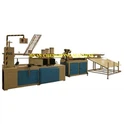
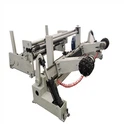
As a seasoned supplier of Paper Roll Slitters, I've witnessed firsthand the critical role that paper tension adjustment plays in the slitting process. Proper tension control ensures the quality of the final product, reduces waste, and enhances the overall efficiency of the slitting operation. In this blog, I'll share some insights on how to adjust the tension of the paper during the slitting process in a paper roll slitter.
Understanding the Importance of Paper Tension in Slitting
Before delving into the adjustment methods, it's essential to understand why paper tension is so crucial in the slitting process. Incorrect tension can lead to a variety of problems, including wrinkling, uneven slitting, and poor rewinding. Wrinkled paper not only affects the appearance of the final product but can also cause jams in subsequent processing steps. Uneven slitting can result in inconsistent width and thickness of the slit paper, which is unacceptable for many applications. Poor rewinding can lead to loose or tight rolls, making them difficult to handle and store.
On the other hand, maintaining the right tension throughout the slitting process ensures that the paper moves smoothly through the machine, resulting in clean, precise cuts and well-wound rolls. This not only improves the quality of the final product but also increases productivity by reducing downtime caused by machine malfunctions and product defects.
Factors Affecting Paper Tension
Several factors can affect the tension of the paper during the slitting process. These include the speed of the machine, the type and thickness of the paper, the diameter of the paper roll, and the condition of the slitting blades.


- Machine Speed: As the speed of the slitting machine increases, the tension on the paper also tends to increase. This is because the faster the paper moves, the more force is required to keep it in place. Therefore, it's important to adjust the tension settings according to the machine speed to prevent over-tensioning or under-tensioning of the paper.
- Paper Type and Thickness: Different types of paper have different physical properties, such as stiffness, elasticity, and friction. These properties can affect the way the paper behaves during the slitting process and, consequently, the tension required to handle it. For example, thicker and stiffer papers generally require higher tension than thinner and more flexible papers.
- Paper Roll Diameter: The diameter of the paper roll also affects the tension on the paper. As the roll diameter decreases during the slitting process, the tension on the paper tends to increase. This is because the same amount of paper is being pulled from a smaller diameter roll, resulting in a higher linear speed and greater tension. To compensate for this, the tension settings need to be adjusted continuously as the roll diameter changes.
- Slitting Blade Condition: The condition of the slitting blades can also affect the tension on the paper. Dull or damaged blades can cause the paper to tear or stretch, resulting in uneven tension and poor quality cuts. Therefore, it's important to regularly inspect and replace the slitting blades to ensure optimal performance.
Methods for Adjusting Paper Tension
There are several methods for adjusting the tension of the paper during the slitting process. These methods can be broadly classified into mechanical, electrical, and pneumatic methods.
- Mechanical Methods: Mechanical methods involve the use of mechanical components, such as tension brakes, clutch systems, and adjustable rollers, to control the tension on the paper. Tension brakes are commonly used to apply a braking force to the paper roll, thereby increasing the tension on the paper. Clutch systems, on the other hand, are used to transfer power from the motor to the paper roll, allowing for precise control of the tension. Adjustable rollers can be used to adjust the path of the paper and, consequently, the tension on it.
- Electrical Methods: Electrical methods involve the use of electrical components, such as servo motors and load cells, to control the tension on the paper. Servo motors are used to drive the paper roll and can be programmed to adjust the speed and torque according to the tension requirements. Load cells are used to measure the tension on the paper and provide feedback to the control system, which can then adjust the servo motor accordingly.
- Pneumatic Methods: Pneumatic methods involve the use of compressed air to control the tension on the paper. Pneumatic cylinders are commonly used to apply a force to the paper roll, thereby increasing the tension on the paper. Pneumatic systems are relatively simple and cost-effective, but they may not provide the same level of precision as mechanical or electrical systems.
Step-by-Step Guide to Adjusting Paper Tension
Here's a step-by-step guide to adjusting the tension of the paper during the slitting process:
- Understand the Machine: Before making any adjustments, it's important to understand the operation of the slitting machine and the tension control system. Refer to the machine manual for detailed instructions on how to access and adjust the tension settings.
- Select the Right Tension Control Method: Depending on the type of slitting machine and the requirements of the application, choose the most appropriate tension control method. Consider factors such as the accuracy, reliability, and cost of the method.
- Set the Initial Tension: Start by setting the initial tension based on the type and thickness of the paper, the machine speed, and the diameter of the paper roll. Refer to the machine manual or consult with the manufacturer for recommended tension settings.
- Monitor the Tension: During the slitting process, continuously monitor the tension on the paper using a tension meter or other monitoring device. Make adjustments to the tension settings as needed to maintain a consistent tension throughout the process.
- Adjust for Roll Diameter Changes: As the roll diameter decreases during the slitting process, the tension on the paper tends to increase. To compensate for this, gradually decrease the tension settings as the roll diameter decreases.
- Check for Uneven Tension: Periodically check for uneven tension across the width of the paper. Uneven tension can cause wrinkling, uneven slitting, and poor rewinding. If uneven tension is detected, adjust the tension settings or the position of the adjustable rollers to correct the problem.
- Test and Optimize: After making any adjustments, run a test batch of paper through the machine to ensure that the tension is properly adjusted. Monitor the quality of the slitting and rewinding and make further adjustments as needed to optimize the tension settings.
Conclusion
Adjusting the tension of the paper during the slitting process is a critical step in ensuring the quality of the final product and the efficiency of the slitting operation. By understanding the factors affecting paper tension, choosing the right tension control method, and following a systematic approach to adjustment, you can achieve consistent, high-quality results.
As a supplier of Jumbo Paper Roll Slitting Rewinding Machine, Jumbo Roll Slitting Machine, and Paper Roll To Roll Slitting Machine, we are committed to providing our customers with the best-in-class slitting solutions. If you have any questions or need further assistance with adjusting the tension of the paper in your slitting process, please don't hesitate to contact us. We'll be happy to help you optimize your slitting operation and achieve the best possible results.
References
- "Paper Slitting and Rewinding Handbook" by TAPPI Press
- "Tension Control in Web Processing" by Fife Corporation
- "Slitting and Rewinding Technology" by Converting Quarterly