Calculating the production cost of paper drums made by a machine can seem like a daunting task, but it's actually quite straightforward once you break it down. As a supplier of Paper Drum Making Machines, I've helped many businesses figure out these costs to make informed decisions. Let's dive into the details of how you can calculate the production cost of paper drums step by step.
1. Raw Materials
The first and most obvious cost factor is the raw materials used to make the paper drums. This mainly includes paper. The type, quality, and quantity of paper you use will have a big impact on the cost.

- Type of Paper: There are different types of paper suitable for making paper drums, such as kraft paper, cardboard, and coated paper. Kraft paper is often a popular choice because it's strong and relatively inexpensive. Cardboard provides more rigidity, while coated paper can give a nicer finish but might cost more.
- Quality of Paper: Higher-quality paper generally costs more but can result in better-looking and more durable paper drums. You need to balance the quality with your budget and the requirements of your customers.
- Quantity of Paper: The amount of paper needed depends on the size and thickness of the paper drums you're making. Larger and thicker drums will require more paper, increasing the cost.
To calculate the cost of raw materials, you first need to determine the weight of paper required for each drum. Then, multiply the weight by the price per unit weight of the paper you're using. For example, if a drum requires 2 kilograms of paper and the paper costs $1 per kilogram, the raw material cost for that drum is $2.
2. Machine Depreciation
The Paper Drum Making Machine is a significant investment, and its cost needs to be factored into the production cost of each drum. Machine depreciation is the decrease in the value of the machine over time due to wear and tear, obsolescence, etc.
- Initial Cost: First, you need to know the initial cost of the machine. This includes the purchase price, shipping costs, installation costs, and any other associated expenses.
- Useful Life: Estimate the useful life of the machine in terms of the number of hours it can operate or the number of drums it can produce. For example, if a machine costs $10,000 and is expected to produce 100,000 drums over its useful life, the depreciation cost per drum is $0.1.
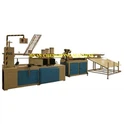
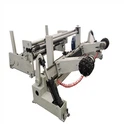
We offer a range of machines like the Parallel Cardboard Tube Winding Machine, Automatic Paper Drum Winding Machine, and Parallel Tube Core Making Machine. Each machine has its own cost and useful life, so you need to calculate the depreciation based on the specific machine you're using.
3. Labor Costs
Labor is another important cost component. This includes the wages of the workers who operate the machine, monitor the production process, and perform any other related tasks.

- Hourly Wages: Determine the hourly wages of your workers. This can vary depending on the location, skill level, and experience of the workers.
- Production Time: Calculate the amount of time it takes to produce each drum. This includes the time for setting up the machine, running the production process, and any downtime for maintenance or adjustments.
For example, if a worker's hourly wage is $15 and it takes 0.1 hours to produce one drum, the labor cost per drum is $1.5.
4. Energy Costs
The Paper Drum Making Machine consumes energy to operate, and this cost needs to be included in the production cost.
- Power Consumption: Find out the power consumption of the machine in kilowatts (kW). This information is usually provided by the machine manufacturer.
- Energy Price: Determine the price of electricity per kilowatt-hour (kWh) in your area.
- Production Time: Calculate the amount of time the machine runs to produce each drum.
For instance, if a machine has a power consumption of 2 kW, the electricity price is $0.1 per kWh, and it takes 0.1 hours to produce one drum, the energy cost per drum is $0.02.
5. Maintenance and Repair Costs
Regular maintenance and occasional repairs are necessary to keep the machine running smoothly. These costs should also be factored into the production cost.

- Maintenance Schedule: Follow the manufacturer's recommended maintenance schedule and keep track of the costs associated with maintenance, such as lubricants, filters, and replacement parts.
- Repair Costs: Although it's difficult to predict repair costs accurately, you can estimate them based on the machine's reliability and past experience.
Divide the total maintenance and repair costs over a certain period by the number of drums produced during that period to get the cost per drum.
6. Overhead Costs
Overhead costs include all the other expenses that are not directly related to the production of each drum but are necessary for the overall operation of the business. This can include rent for the factory space, insurance, administrative expenses, etc.
- Total Overhead Costs: Calculate the total overhead costs for a specific period, such as a month or a year.
- Production Volume: Determine the number of drums produced during the same period.
Divide the total overhead costs by the production volume to get the overhead cost per drum.
Putting It All Together
Once you've calculated all the individual cost components, you can add them up to get the total production cost per drum.
Total Production Cost per Drum = Raw Material Cost + Machine Depreciation Cost + Labor Cost + Energy Cost + Maintenance and Repair Cost + Overhead Cost
Let's say we have the following costs for a particular paper drum:
- Raw Material Cost: $2
- Machine Depreciation Cost: $0.1
- Labor Cost: $1.5
- Energy Cost: $0.02
- Maintenance and Repair Cost: $0.05
- Overhead Cost: $0.2
The total production cost per drum is $2 + $0.1 + $1.5 + $0.02 + $0.05 + $0.2 = $3.87
By calculating the production cost accurately, you can set a competitive price for your paper drums and ensure that your business is profitable.
If you're interested in purchasing a Paper Drum Making Machine or have any questions about calculating production costs, feel free to reach out. We're here to help you make the most of your investment and run a successful paper drum production business.
References
- "Cost Accounting: A Managerial Emphasis" by Charles T. Horngren, Srikant M. Datar, and Madhav V. Rajan
- Industry reports on paper packaging production costs