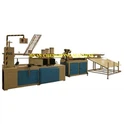
Hey there! As a supplier of Core Winder Machines, I've had my fair share of experiences with customers asking about changing the winding pattern. It's a common question, and today, I'm gonna break it down for you step by step.
First off, let's understand why you might want to change the winding pattern. Different products require different winding patterns. For example, if you're making a Paper Core Production Line for heavy - duty industrial use, you'll need a tighter and more consistent winding pattern compared to a core for lightweight packaging.
Understanding the Basics of Core Winder Machines
Before we dive into changing the winding pattern, let's quickly go over how a core winder machine works. These machines are designed to wind paper or other materials around a core to create tubes or cores. The basic components include a feed system, a winding mechanism, and a cutting system.
The feed system is responsible for bringing the paper to the winding area. It controls the speed and tension of the paper. The winding mechanism, as the name suggests, winds the paper around the core. And the cutting system cuts the paper once the desired length or number of layers is achieved.
Factors Affecting the Winding Pattern
There are several factors that can affect the winding pattern in a core winder machine.
1. Paper Tension
Paper tension plays a crucial role in the winding pattern. If the tension is too high, the paper might tear or the core might become too hard. On the other hand, if the tension is too low, the winding might be loose and the core won't hold its shape. You can adjust the tension using the tension control knobs on the machine. Usually, these knobs are located near the feed system.
2. Winding Speed
The speed at which the machine winds the paper also affects the pattern. A faster speed might result in a looser winding, while a slower speed can create a tighter and more precise pattern. You can adjust the winding speed on the control panel of the machine. Just be careful not to set it too slow or too fast, as it can affect the overall production efficiency.
3. Core Diameter
The diameter of the core around which you're winding the paper matters. A larger core diameter might require a different winding pattern compared to a smaller one. For instance, a larger core might need more layers to achieve the same strength. You can select the appropriate core diameter settings on the machine's control panel.
Steps to Change the Winding Pattern
Now that we've covered the factors, let's get into the actual steps of changing the winding pattern.
Step 1: Determine the New Pattern
First, you need to know what kind of winding pattern you want. Do you want a single - layer winding, a multi - layer winding, or a spiral winding? This will depend on the end - use of the core. For example, if you're making Paper Tube Winding Machines for a specific product, you'll need to match the winding pattern to its requirements.
Step 2: Adjust the Machine Settings
Once you've determined the new pattern, it's time to adjust the machine settings.
- Tension Adjustment: As mentioned earlier, paper tension is key. Use the tension control knobs to increase or decrease the tension according to the new pattern. If you're going for a tighter winding, increase the tension slightly.
- Speed Adjustment: Change the winding speed on the control panel. If the new pattern requires a more precise winding, slow down the speed.
- Layer and Spiral Settings: Some core winder machines allow you to set the number of layers and the spiral angle. If your new pattern involves multiple layers or a specific spiral, adjust these settings accordingly.
Step 3: Test the New Pattern
After making the adjustments, it's a good idea to do a test run. Take a small piece of paper and wind it around a core. Check if the pattern meets your expectations. Look for any signs of loose winding, tearing, or uneven layers. If there are any issues, go back and adjust the settings again.


Step 4: Monitor the Production
Once you're satisfied with the test run, start the full - scale production. Keep an eye on the winding process to make sure the pattern remains consistent. Sometimes, small adjustments might be needed during production due to factors like changes in paper quality or machine wear.
Common Problems and Solutions
Even with careful adjustment, you might encounter some problems when changing the winding pattern.
1. Loose Winding
If you notice that the winding is too loose, it could be due to low paper tension or a high winding speed. Try increasing the tension and reducing the speed.
2. Tearing of Paper
Paper tearing is usually a sign of high tension. Lower the tension slightly and check if the problem persists. Also, make sure the paper is feeding smoothly through the machine without any obstructions.
3. Uneven Layers
Uneven layers can be caused by improper alignment of the paper or incorrect settings. Check the alignment of the paper feed and make sure the layer and spiral settings on the machine are correct.
Different Types of Winding Patterns and Their Applications
Let's take a look at some common winding patterns and where they're used.
Single - Layer Winding
This is the simplest winding pattern, where a single layer of paper is wound around the core. It's often used for lightweight packaging, like the cores for toilet paper. If you're interested in making cores for toilet paper, our Toilet Paper Core Machine can be adjusted to achieve a perfect single - layer winding pattern.
Multi - Layer Winding
Multi - layer winding involves winding multiple layers of paper around the core. This pattern provides more strength and is commonly used for heavy - duty industrial applications, such as cores for large rolls of industrial film or tape.
Spiral Winding
Spiral winding creates a spiral pattern on the core. It's useful for applications where flexibility is required, like some types of packaging tubes.
Conclusion
Changing the winding pattern in a core winder machine might seem daunting at first, but with a good understanding of the factors involved and by following the steps I've outlined, you can achieve the desired pattern. Whether you're making cores for Paper Core Production Line, Paper Tube Winding Machines, or Toilet Paper Core Machine, our core winder machines are designed to be flexible and easy to adjust.
If you're in the market for a new core winder machine or need more information on changing winding patterns, don't hesitate to reach out. We're here to help you optimize your production and get the best results. Contact us today to start a discussion about your specific needs.
References
- "Handbook of Paper Core Manufacturing", Industry Publication
- "Advanced Core Winding Techniques", Technical Journal