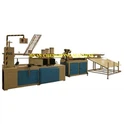
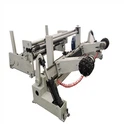
Hey there! I'm a supplier of Roll Cutting Machines, and I've seen firsthand how crucial it is to keep these machines in top - notch condition. In this blog, I'm gonna share some tips on how to maintain a Roll Cutting Machine, so it can serve you well for a long time.
Regular Cleaning
First things first, cleaning is super important. Dust, debris, and leftover scraps can build up on your Roll Cutting Machine over time. This buildup can cause all sorts of problems, like jams and reduced cutting accuracy.
To clean the machine, start by turning it off and unplugging it. This is a basic safety measure, but you'd be surprised how many people forget it. Use a soft, dry cloth to wipe down the exterior of the machine. Pay special attention to areas around the cutting blades and rollers, as these are the spots where most of the debris accumulates.
For the interior parts, you might need a small brush to get into the nooks and crannies. Be gentle when you clean around the blades, as you don't want to damage them. After brushing, you can use compressed air to blow out any remaining dust. Just make sure the air pressure isn't too high, or it could dislodge some of the smaller components.
Blade Maintenance
The blades are the heart of a Roll Cutting Machine. Without sharp and well - maintained blades, your machine won't be able to cut through materials effectively.
Regularly inspect the blades for signs of wear and tear. Look for chips, dull edges, or any signs of damage. If you notice any issues, it's time to replace the blades. Don't try to use damaged blades, as they can not only affect the quality of your cuts but also pose a safety risk.
Sharpening the blades is also a key part of maintenance. You can either do it yourself if you have the right tools and skills, or you can send the blades to a professional sharpening service. When sharpening, follow the manufacturer's instructions carefully to ensure you don't over - sharpen or damage the blades.
Lubrication
Lubrication is another essential aspect of Roll Cutting Machine maintenance. Proper lubrication reduces friction between moving parts, which helps the machine run smoothly and extends its lifespan.
Check the machine's manual to find out which parts need lubrication and what type of lubricant to use. Usually, the rollers, bearings, and gears are the parts that require lubrication. Apply the lubricant at regular intervals, following the recommended schedule in the manual.
Be careful not to over - lubricate, as excess lubricant can attract dust and debris, which can cause more problems. Use a clean cloth to wipe off any excess lubricant after application.
Belt and Chain Inspection
Many Roll Cutting Machines use belts and chains to transfer power between different components. Over time, these belts and chains can stretch, wear out, or become loose.
Regularly inspect the belts and chains for signs of damage, such as cracks, fraying, or excessive wear. Check the tension of the belts and chains as well. If they're too loose, they can slip, which affects the machine's performance. If they're too tight, they can put extra stress on the components and cause premature wear.
If you find any issues with the belts or chains, replace them as soon as possible. Make sure to use the correct size and type of belts and chains specified in the machine's manual.
Electrical System Check
The electrical system of a Roll Cutting Machine is just as important as its mechanical parts. Faulty electrical components can cause the machine to malfunction or even pose a safety hazard.
Inspect the power cords for any signs of damage, such as cuts or exposed wires. If you find any issues, replace the power cord immediately. Check the electrical connections inside the machine as well. Make sure they're tight and free of corrosion.
Test the machine's switches and controls regularly to ensure they're working properly. If you notice any problems, like a switch not working or a control being unresponsive, have it checked by a qualified electrician.
Software and Control System
Many modern Roll Cutting Machines come with advanced software and control systems. These systems need to be maintained as well.


Keep the software up - to - date by installing the latest updates provided by the manufacturer. These updates often include bug fixes, performance improvements, and new features.
Regularly calibrate the control system to ensure accurate cutting. Follow the calibration procedures outlined in the machine's manual. If you're not sure how to do it, contact the manufacturer's support team for assistance.
Operator Training
Last but not least, proper operator training is crucial for the maintenance of a Roll Cutting Machine. A well - trained operator knows how to use the machine correctly, which reduces the risk of damage and extends the machine's lifespan.
Provide comprehensive training to all operators on how to operate the machine safely and efficiently. Teach them about the importance of maintenance and how to perform basic maintenance tasks, such as cleaning and lubrication.
Encourage operators to report any issues or abnormalities they notice during operation immediately. This way, problems can be addressed before they turn into major issues.
As a Roll Cutting Machine supplier, I offer a wide range of machines, including the Kraft Paper Roll Slitting Machine, Automatic Paper Roll Slitting Machine, and Rewinding Slitter Rewinding Machine. If you're in the market for a Roll Cutting Machine or need more information on maintenance, don't hesitate to reach out. I'm here to help you make the best decision for your business.
References
- Manufacturer's manuals of Roll Cutting Machines
- Industry best practices for machine maintenance