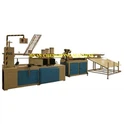
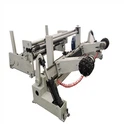
Hey there! As a supplier of Paper Tube Machines, I know how crucial it is to keep the cutting blade in top - notch condition. A well - maintained cutting blade can make a world of difference in the efficiency and quality of your paper tube production. So, let's dive into how you can maintain the cutting blade of a paper tube machine.
Regular Cleaning
First things first, regular cleaning is a must. The cutting blade gets exposed to paper dust, glue residues, and other debris during the cutting process. Over time, this buildup can affect the blade's performance and even cause it to dull prematurely.
To clean the blade, start by turning off the machine and unplugging it to ensure your safety. Use a soft brush or compressed air to remove loose paper dust and debris from the blade surface. For stubborn glue residues, you can use a mild solvent. Just make sure the solvent is compatible with the blade material. Dip a clean cloth in the solvent and gently wipe the blade. Avoid getting the solvent on other parts of the machine as it might damage them.
After cleaning, dry the blade thoroughly. A wet blade can rust, especially if it's made of metal. You can use a dry cloth or let it air - dry for a while.
Lubrication
Lubrication is another key aspect of blade maintenance. Proper lubrication reduces friction between the blade and the paper, which not only extends the blade's lifespan but also improves the cutting quality.
Choose a lubricant that is specifically designed for cutting blades. Apply the lubricant according to the manufacturer's instructions. Usually, you'll need to apply a thin layer of lubricant to the blade surface. You can use a small brush or a dropper for precise application.
Don't over - lubricate the blade, though. Too much lubricant can attract more dust and debris, which defeats the purpose of lubrication. Also, make sure to clean the blade before lubricating it to ensure that the lubricant can work effectively.
Inspection for Wear and Tear
Regularly inspect the cutting blade for signs of wear and tear. Look for chips, cracks, or uneven edges on the blade. These issues can affect the cutting performance and might even pose a safety hazard.
If you notice any chips or cracks, it's best to replace the blade immediately. Continuing to use a damaged blade can lead to poor - quality cuts and might cause the machine to malfunction. You can use a magnifying glass to get a closer look at the blade if needed.
Check the blade's sharpness as well. A dull blade will require more force to cut through the paper, which can put extra stress on the machine's motor. You can test the blade's sharpness by making a few test cuts on a scrap piece of paper. If the cuts are ragged or the blade struggles to cut through, it's time to sharpen or replace the blade.
Proper Storage
When the paper tube machine is not in use, proper storage of the cutting blade is essential. Store the blade in a dry and clean environment. You can use a blade case or a protective cover to prevent the blade from getting damaged.
Keep the blade away from moisture, as it can cause rusting. If possible, store the blade in a climate - controlled area. Also, make sure the blade is stored in a way that it won't get bumped or knocked around, which could cause it to become misaligned or damaged.


Sharpening
Sharpening the cutting blade is a skill that can significantly extend its useful life. However, it's important to do it correctly. If you're not confident in your sharpening skills, it's best to send the blade to a professional sharpening service.
If you decide to sharpen the blade yourself, you'll need the right tools. A sharpening stone or a sharpening machine is commonly used. Follow the manufacturer's guidelines for the correct angle and pressure when sharpening. Make sure to sharpen both sides of the blade evenly to maintain its balance.
After sharpening, test the blade on a scrap piece of paper to ensure that it's cutting smoothly. If the blade still doesn't cut well, you might need to repeat the sharpening process or consider replacing the blade.
Alignment
Proper alignment of the cutting blade is crucial for optimal performance. A misaligned blade can cause uneven cuts and put extra stress on the blade and the machine.
Check the blade's alignment regularly. You can use a straightedge or a laser alignment tool to ensure that the blade is in the correct position. If the blade is misaligned, adjust it according to the machine's manual. Make small adjustments at a time and test the cuts after each adjustment until you achieve the desired results.
Training Your Staff
If you have a team operating the paper tube machine, it's important to train them on proper blade maintenance. Make sure they understand the importance of regular cleaning, lubrication, inspection, and proper handling of the blade.
Provide them with clear instructions on how to perform these maintenance tasks safely. You can also organize training sessions where they can learn hands - on how to clean, lubricate, and sharpen the blade. Well - trained staff can help ensure that the cutting blade is always in good condition, which will ultimately improve the overall efficiency of your paper tube production.
Choosing the Right Blade
When it comes to blade maintenance, choosing the right blade in the first place is half the battle. Different paper tube machines require different types of blades. Consider factors such as the type of paper you're using, the thickness of the paper, and the cutting speed when selecting a blade.
A high - quality blade made from durable materials will generally require less maintenance and last longer. Do some research and choose a blade that is recommended by the machine manufacturer or has a good reputation in the market.
In conclusion, maintaining the cutting blade of a paper tube machine is not a one - time task but an ongoing process. By following these tips, you can ensure that your blade stays in good condition, which will lead to better - quality paper tubes and a more efficient production process.
If you're in the market for a new Paper Tube Winding Machines, Paper Core Production Line, or Spiral Paper Core Winder, or if you have any questions about blade maintenance or our products, feel free to reach out for a procurement discussion. We're here to help you make the best choices for your paper tube production needs.
References
- General knowledge from years of experience in the paper tube machine industry.
- Manufacturer's manuals for paper tube machines and cutting blades.