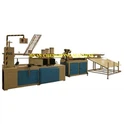
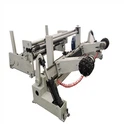
As a supplier of Paper Roll Making Machines, I've witnessed firsthand the challenges manufacturers face in optimizing production efficiency. In today's competitive market, every second counts, and maximizing the output of your paper roll making machine can significantly impact your bottom line. In this blog post, I'll share some valuable insights and strategies to help you get the most out of your equipment.
Understanding the Basics of Paper Roll Making Machines
Before diving into optimization techniques, it's essential to have a solid understanding of how paper roll making machines work. These machines are designed to convert large rolls of paper, known as jumbo rolls, into smaller, more manageable rolls. The process typically involves slitting the jumbo roll into multiple narrower rolls and then rewinding them onto cores.
There are several types of paper roll making machines available, each with its own unique features and capabilities. Some of the most common types include Jumbo Roll Slitting Rewinding Machine, Automatic Kraft Paper Roll Slitting Rewinding Machine For Paper Bag Industry, and Jumbo Roll Slitter Rewinder Paper. Understanding the specific features and requirements of your machine is crucial for effective optimization.


Regular Maintenance and Inspection
One of the most important factors in optimizing the production efficiency of a paper roll making machine is regular maintenance and inspection. Just like any other piece of equipment, these machines require proper care and attention to perform at their best. Regular maintenance helps prevent breakdowns, reduces downtime, and extends the lifespan of your machine.
Here are some key maintenance tasks to include in your routine:
- Cleaning: Regularly clean the machine to remove dust, debris, and paper particles. This helps prevent clogs and ensures smooth operation.
- Lubrication: Keep all moving parts properly lubricated to reduce friction and wear. Follow the manufacturer's recommendations for lubrication intervals and types of lubricants to use.
- Belt and Chain Tension: Check the tension of belts and chains regularly and adjust as needed. Loose belts and chains can cause slippage and reduce efficiency.
- Blade Sharpening: Replace or sharpen the slitting blades as soon as they start to show signs of wear. Dull blades can result in poor quality cuts and increased waste.
- Electrical System Check: Inspect the electrical system for loose connections, frayed wires, and other potential hazards. Ensure that all safety features are functioning properly.
Operator Training and Skill Development
Another critical factor in optimizing production efficiency is the skill and knowledge of your machine operators. Well-trained operators are more likely to operate the machine correctly, troubleshoot problems quickly, and make adjustments to improve performance.
Provide comprehensive training to your operators on the proper operation, maintenance, and safety procedures of the paper roll making machine. Make sure they understand how to set up the machine for different types of paper and production requirements. Encourage continuous learning and skill development by providing ongoing training and resources.
Process Optimization
In addition to maintenance and operator training, optimizing the production process itself can also have a significant impact on efficiency. Here are some strategies to consider:
- Batch Scheduling: Plan your production batches in advance to minimize setup time and changeovers. Group similar jobs together to reduce the need for frequent adjustments to the machine.
- Paper Quality Control: Ensure that the quality of the incoming paper meets the requirements of the production process. Poor quality paper can cause jams, breaks, and other problems that can slow down production.
- Waste Reduction: Implement strategies to reduce waste and scrap during the production process. This can include optimizing the slitting width to minimize leftover material, recycling scrap paper, and improving the accuracy of cuts.
- Automation and Integration: Consider investing in automation and integration technologies to streamline the production process. Automated systems can perform tasks such as feeding, slitting, and rewinding more quickly and accurately than manual methods.
Technology Upgrades and Improvements
As technology continues to evolve, there are often opportunities to upgrade your paper roll making machine to improve its performance and efficiency. Here are some examples of technology upgrades that you may want to consider:
- Servo Motors: Replace traditional motors with servo motors for more precise control and faster response times. Servo motors can improve the accuracy of cuts and reduce the risk of overshooting or undershooting the target length.
- PLC Control Systems: Upgrade to a programmable logic controller (PLC) control system for more advanced automation and flexibility. PLC systems allow you to easily customize the machine's operation and adjust settings based on different production requirements.
- Vision Systems: Install vision systems to inspect the quality of the paper rolls during production. Vision systems can detect defects such as tears, holes, and uneven edges in real-time, allowing you to take corrective action immediately.
- Remote Monitoring and Diagnostics: Implement remote monitoring and diagnostics capabilities to enable real-time monitoring of the machine's performance and status. This allows you to detect potential problems early and take proactive measures to prevent breakdowns.
Data Analysis and Performance Monitoring
Finally, collecting and analyzing data on the performance of your paper roll making machine can provide valuable insights into areas for improvement. Use sensors and monitoring systems to collect data on key performance indicators such as production speed, downtime, waste rate, and quality metrics.
Analyze this data regularly to identify trends, patterns, and areas of inefficiency. Use this information to make data-driven decisions about maintenance schedules, process improvements, and technology upgrades. By continuously monitoring and optimizing the performance of your machine, you can achieve significant improvements in production efficiency over time.
Conclusion
Optimizing the production efficiency of a paper roll making machine requires a comprehensive approach that includes regular maintenance, operator training, process optimization, technology upgrades, and data analysis. By implementing these strategies, you can increase the output of your machine, reduce downtime, improve product quality, and ultimately enhance your competitiveness in the market.
If you're interested in learning more about how our paper roll making machines can help you optimize your production efficiency, please don't hesitate to contact us. Our team of experts is available to provide you with detailed information, answer your questions, and assist you in finding the right solution for your specific needs. Let's work together to take your paper production to the next level.
References
- Manufacturer's manuals and documentation for paper roll making machines.
- Industry best practices and guidelines for paper roll production.
- Research studies and articles on production efficiency optimization in the paper industry.