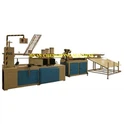
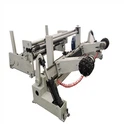
Vibration during the operation of a paper barrel machine can pose significant challenges, including reducing the machine's lifespan, affecting product quality, and even causing safety hazards. As a reputable paper barrel machine supplier, we understand these issues firsthand and have accumulated a wealth of experience in addressing excessive machine vibration. In this blog, we'll explore effective strategies to reduce the vibration of paper barrel machines, drawing on both practical insights and scientific principles.
Understanding the Causes of Vibration
Before we can tackle vibration, it's essential to understand what causes it. The root causes of vibration in paper barrel machines typically fall into several categories:
Mechanical Imbalance
One of the most common causes of vibration is mechanical imbalance. This can occur when the rotating parts of the machine, such as the rollers, shafts, or drums, are not perfectly centered. An imbalance creates an uneven distribution of mass, which generates centrifugal forces as the parts rotate. These forces cause the machine to shake, resulting in vibration. For example, if a roller on a Parallel Tube Core Making Machine has a slightly higher mass on one side, it will create an imbalance that leads to vibration during operation.
Loose Components
Over time, the continuous operation of the paper barrel machine can cause components to become loose. Nuts, bolts, and other fasteners may gradually work themselves loose due to the machine's vibrations. Loose components can also shift during operation, further exacerbating the vibration problem. For instance, a loose bearing on the Parallel Cardboard Tube Winding Machine can cause misalignment and increased vibration.
Poor Machine Installation
Incorrect installation is another significant factor contributing to vibration. If the machine is not properly leveled or secured to the floor, it can wobble during operation. A misaligned conveyor belt or improper coupling between different parts of the machine can also lead to vibration. For a Fibre Drum Production Line, which consists of multiple interconnected components, precise installation is crucial to minimizing vibration.
Wear and Tear
As machines age, the wear and tear on their components can increase vibration. Worn-out bearings, gears, and belts can cause irregular movement and vibration. For example, a worn belt may slip on the pulley, creating sudden jerks and vibrations in the machine.
Strategies to Reduce Vibration
Now that we understand the causes, let's explore some effective strategies to reduce the vibration of paper barrel machines:
Balancing Rotating Components
To address mechanical imbalance, regular balancing of rotating components is essential. This involves using specialized equipment to measure the amount and location of the imbalance and then adding or removing weights to achieve a more even distribution of mass. Our technicians are trained to perform precision balancing on the rollers, shafts, and other rotating parts of our paper barrel machines. By ensuring that these components are properly balanced, we can significantly reduce vibration and improve the machine's overall performance.
Tightening Loose Components
Regular inspections are crucial to identifying and tightening loose components. A simple daily or weekly inspection of the machine can help prevent minor issues from escalating into major problems. During these inspections, our maintenance teams check all nuts, bolts, and fasteners to ensure they are properly tightened. We also use thread-locking compounds to prevent fasteners from loosening over time.
Proper Machine Installation
During the installation process, it's essential to ensure that the machine is level and securely anchored to the floor. We provide detailed installation guidelines and on-site support to ensure that our customers install our paper barrel machines correctly. Using vibration-absorbing pads or mounts can also help reduce the amount of vibration transferred to the floor and surrounding environment. These pads are made of materials such as rubber or cork, which can dampen the vibrations and provide a more stable foundation for the machine.
Wear and Tear Maintenance
Regular maintenance and replacement of worn-out components can help reduce vibration caused by wear and tear. We recommend a preventive maintenance schedule that includes regular inspections and component replacements. For example, we suggest replacing belts and bearings at regular intervals to ensure smooth operation. Monitoring the performance of these components through vibration sensors and other diagnostic tools can also help detect early signs of wear and allow for timely replacement.
Optimizing Operating Conditions
Adjusting the operating conditions of the machine can also help reduce vibration. For example, reducing the speed of the machine during certain operations can decrease the centrifugal forces and reduce vibration. Additionally, ensuring that the paper feed is consistent and free of jams can prevent sudden changes in load, which can cause vibration. Our machines are designed with adjustable parameters, allowing operators to optimize the operating conditions based on the specific requirements of the production process.
Quality Control and Testing
At our company, we take quality control and testing seriously. All our paper barrel machines undergo rigorous testing before leaving the factory to ensure that they meet our strict vibration standards. During the testing process, we use advanced vibration measurement equipment to analyze the machine's vibration characteristics and make any necessary adjustments. We also provide post-sales support, including on-site inspections and maintenance services, to ensure that our customers' machines continue to operate smoothly and with minimal vibration.


Continuous Improvement
We are committed to continuous improvement in our products and services. Our research and development team is constantly exploring new technologies and materials to reduce vibration and enhance the performance of our paper barrel machines. We also gather feedback from our customers to identify areas for improvement and implement changes accordingly. By staying at the forefront of innovation, we can offer our customers the most advanced and reliable paper barrel machines on the market.
Conclusion
Reducing the vibration of paper barrel machines is crucial for ensuring their long-term performance, product quality, and operator safety. By understanding the causes of vibration and implementing effective strategies such as balancing rotating components, tightening loose parts, proper installation, and regular maintenance, we can significantly reduce vibration and improve the overall efficiency of the machine. As a leading paper barrel machine supplier, we are dedicated to providing our customers with high-quality machines and comprehensive support to help them achieve optimal production results.
If you are interested in learning more about our paper barrel machines or have any questions about reducing vibration, please feel free to contact us. We look forward to discussing your specific needs and providing you with the best solutions for your business.
References
- Machinery Vibration Analysis and Monitoring: A Practical Approach, by John D. McFadden
- Handbook of Rotating Machinery Vibration, by Robert H. Bishop and David C. Johnson
- Maintenance Engineering Handbook, by Robert B. Parker