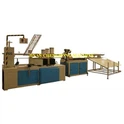
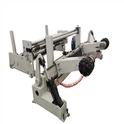
Selecting the appropriate cutting blade for a paper roll cutting machine is a crucial decision that significantly impacts the quality, efficiency, and cost - effectiveness of your paper - cutting operations. As a reputable paper roll cutting machine supplier, I have witnessed firsthand the challenges that customers face in making this selection. In this blog post, I will share some key factors and considerations to help you choose the right cutting blade for your specific needs.


Understanding the Types of Paper Roll Cutting Machines
Before delving into blade selection, it's essential to understand the different types of paper roll cutting machines available. There are several common types, each with its own unique features and applications.
The Paper Roll To Roll Slitting Machine is designed to slit large paper rolls into multiple narrower rolls. This machine is commonly used in industries where continuous production of smaller paper rolls is required, such as the packaging and printing industries.
The Automatic Paper Roll Slitting Machine offers high - speed and precise cutting with minimal manual intervention. It is ideal for large - scale production environments where efficiency and accuracy are top priorities.
The Jumbo Roll Slitting Machine is specifically designed to handle very large paper rolls, often referred to as jumbo rolls. This machine is used in industries that deal with high - volume paper production, such as the newsprint and tissue paper industries.
Factors to Consider When Selecting a Cutting Blade
1. Paper Type and Thickness
The type and thickness of the paper you are cutting are perhaps the most important factors to consider when selecting a cutting blade. Different types of paper, such as newsprint, kraft paper, and coated paper, have different physical properties that require specific blade characteristics.
For thin papers, such as newsprint, a sharp and lightweight blade is usually sufficient. These blades can cut through the paper cleanly without causing excessive wear or tear. On the other hand, thicker papers, like kraft paper or cardboard, require a more robust and durable blade. A blade with a higher cutting edge angle and a stronger material is needed to handle the increased resistance.
2. Cutting Precision
The level of cutting precision required for your application will also influence your blade selection. If you need to cut paper with high precision, such as for printing or packaging applications, a blade with a fine cutting edge and high dimensional accuracy is necessary.
Blades with a sharp and consistent cutting edge can ensure clean and accurate cuts, reducing the risk of paper waste and improving the overall quality of the finished product. In some cases, you may also need a blade with a special coating or surface treatment to enhance its cutting performance and precision.
3. Cutting Speed
The cutting speed of your paper roll cutting machine is another important consideration. Higher cutting speeds can increase productivity, but they also place more stress on the cutting blade.
For high - speed cutting operations, a blade made from a high - strength and heat - resistant material is recommended. These blades can withstand the increased friction and heat generated during high - speed cutting without losing their cutting edge or becoming damaged.
4. Blade Material
The material of the cutting blade plays a crucial role in its performance and durability. Common blade materials include high - speed steel (HSS), carbide, and ceramic.
High - speed steel blades are a popular choice due to their relatively low cost and good cutting performance. They are suitable for a wide range of paper types and cutting applications. Carbide blades, on the other hand, offer superior hardness and wear resistance. They are ideal for cutting thick and abrasive papers, but they are also more expensive.
Ceramic blades are known for their extremely sharp cutting edge and high resistance to wear. However, they are brittle and more prone to chipping or breaking, so they are typically used in applications where high precision and long - term cutting performance are required.
5. Blade Geometry
The geometry of the cutting blade, including the cutting edge angle, rake angle, and clearance angle, can also affect its cutting performance. The cutting edge angle determines the sharpness of the blade, while the rake angle and clearance angle influence the cutting force and the flow of the paper during cutting.
For example, a smaller cutting edge angle will result in a sharper blade, but it may also be more prone to wear. A larger rake angle can reduce the cutting force, but it may also cause the paper to tear or fray. Therefore, it's important to choose a blade with the appropriate geometry for your specific cutting application.
Maintenance and Replacement of Cutting Blades
Proper maintenance and timely replacement of cutting blades are essential to ensure the optimal performance of your paper roll cutting machine. Regularly cleaning the blades and lubricating the cutting surfaces can help reduce wear and extend the blade's lifespan.
It's also important to monitor the cutting performance of the blades and replace them when they start to show signs of wear or damage. A dull or damaged blade can cause poor cutting quality, increased paper waste, and even damage to the cutting machine itself.
Conclusion
Selecting the appropriate cutting blade for a paper roll cutting machine is a complex process that requires careful consideration of several factors. By understanding the type of paper you are cutting, the required cutting precision, the cutting speed, the blade material, and the blade geometry, you can make an informed decision that will improve the quality, efficiency, and cost - effectiveness of your paper - cutting operations.
If you are in the market for a paper roll cutting machine or need advice on selecting the right cutting blade, please feel free to contact us. Our team of experts is always ready to assist you in finding the best solution for your specific needs.
References
- "Paper Converting Technology Handbook" by Thomas P. Kinkade
- "Cutting Tool Engineering" magazine, various issues
- Manufacturer's technical specifications for paper roll cutting machines and cutting blades