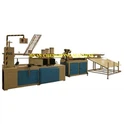
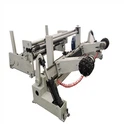
Yo! As a supplier of Paper Roll Cutting Machines, I get asked a lot about how to set the cutting parameters on these bad boys. It's a crucial part of the process, and getting it right can make a huge difference in the quality and efficiency of your paper cutting operations. So, let's dive into it!
Understanding the Basics
First things first, you need to understand the key cutting parameters. These typically include cutting speed, blade pressure, and the width of the cut. Each of these factors plays a significant role in how your paper rolls are cut.


Cutting Speed
The cutting speed is how fast the blade moves through the paper roll. A higher speed can mean more cuts in less time, but it can also lead to a rougher cut if the speed is too high. On the other hand, a slower speed might give you a cleaner cut, but it'll take longer overall. It's all about finding the sweet spot.
Blade Pressure
Blade pressure is how hard the blade presses against the paper roll. If the pressure is too low, the blade might not cut through the paper cleanly. If it's too high, it could damage the blade or the paper itself. You need to adjust the pressure based on the type and thickness of the paper you're cutting.
Width of the Cut
The width of the cut is pretty self - explanatory. It's the width of the strips you want to cut from the paper roll. This parameter is usually set according to your specific requirements, like the size of the final paper products you're making.
Factors Affecting Cutting Parameters
Now, there are several factors that can affect these cutting parameters. Let's take a look at some of them.
Paper Type and Thickness
Different types of paper have different properties. For example, kraft paper is thicker and tougher compared to regular printing paper. So, when you're cutting kraft paper, you'll probably need to increase the blade pressure and might need to slow down the cutting speed a bit. On the other hand, thinner papers can be cut at a higher speed with less pressure.
Machine Model
Not all paper roll cutting machines are the same. Different models have different capabilities and limitations. Some machines are designed for high - speed cutting, while others are better for precision cuts. You need to know your machine's specifications before setting the parameters. Our Automatic Paper Roll Slitting Machine is a great example of a high - performance machine that can handle a variety of cutting tasks with ease.
Desired Output Quality
If you're aiming for a high - quality, clean cut, you'll need to adjust the parameters accordingly. For example, if you're cutting lottery tickets, the edges need to be very precise. Our Lottery Paper Slitter Rewinder is specifically designed to meet these high - quality requirements.
Step - by - Step Guide to Setting Cutting Parameters
Let's go through a step - by - step guide on how to set these parameters.
Step 1: Know Your Paper
Before you start setting the parameters, identify the type and thickness of the paper roll you're going to cut. You can usually find this information on the paper packaging. If not, you can use a caliper to measure the thickness.
Step 2: Check the Machine Manual
Your machine's manual is your best friend. It'll have all the recommended settings for different types of paper. Look for the section on cutting parameters and find the settings that match your paper type.
Step 3: Set the Width of the Cut
Use the controls on your machine to set the desired width of the cut. Make sure the measurement is accurate, as this will directly affect the size of your final paper products.
Step 4: Adjust the Blade Pressure
Based on the paper type and thickness, start adjusting the blade pressure. Start with a low pressure and gradually increase it while testing the cut. You want to find the point where the blade cuts through the paper cleanly without causing any damage.
Step 5: Set the Cutting Speed
Once you've set the width and pressure, it's time to set the cutting speed. Start with a slow speed and see how the cut looks. If the cut is clean and the machine is running smoothly, you can gradually increase the speed until you reach an optimal level.
Testing and Fine - Tuning
After you've set the initial parameters, it's important to test the machine. Make a few test cuts and examine the results. Look for any signs of a rough cut, uneven edges, or damage to the paper. If you notice any issues, go back and adjust the parameters accordingly. It might take a few tries to get it just right, but don't get discouraged.
Special Considerations for Different Applications
Paper Bag Industry
If you're in the paper bag industry, you'll likely be using kraft paper. Our Automatic Kraft Paper Roll Slitting Rewinding Machine For Paper Bag Industry is perfect for this application. When cutting kraft paper for paper bags, you need to ensure a clean and straight cut. You might need to increase the blade pressure slightly and keep the cutting speed moderate to avoid any tearing.
Printing Industry
In the printing industry, precision is key. You'll often be cutting different types of paper, including glossy and matte papers. The cutting parameters need to be adjusted carefully to ensure that the paper isn't damaged and that the edges are smooth. You might need to use a lower cutting speed and a more precise blade pressure setting.
Conclusion
Setting the cutting parameters on a paper roll cutting machine is a combination of science and art. It requires an understanding of the machine, the paper, and your specific requirements. By following the steps I've outlined above and doing some testing and fine - tuning, you can achieve the best results.
If you're in the market for a high - quality paper roll cutting machine or need more advice on setting the cutting parameters, don't hesitate to reach out. We're here to help you get the most out of your paper cutting operations. Contact us to start a discussion about your procurement needs.
References
- Manufacturer's machine manuals
- Industry best practices for paper cutting