Hey there! As a supplier of Paper Tube Machinery, I've seen firsthand how crucial it is to properly train new operators. It not only ensures the smooth running of the machinery but also boosts productivity and safety in the workplace. So, let's dive into how you can train those newbies on paper tube machinery like a pro.
Understanding the Basics First
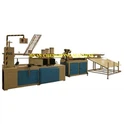
Before you even start the hands - on training, it's essential to give the new operators a solid understanding of the basics. Begin with an overview of the different types of paper tube machinery we offer. For instance, we have the Spiral Paper Core Winder, which is great for making spiral - shaped paper cores. Then there's the Toilet Paper Core Machine, specifically designed for producing cores for toilet paper. And the Parallel Paper Core Making Machine, which creates parallel - shaped paper cores.
Show them some visual aids like videos or pictures of these machines in action. Explain how each machine works in simple terms. Talk about the key components of the machinery, such as the rollers, cutters, and control panels. Let them know what each part does and how it contributes to the overall paper tube production process.
Safety First
Safety should always be the top priority when training new operators. Provide them with safety gear like goggles, gloves, and earplugs right from the start. Go through the safety procedures step by step. Teach them how to properly shut down the machine in case of an emergency. Show them where the emergency stop buttons are located on each machine.


Explain the potential hazards associated with operating paper tube machinery. For example, the sharp cutters can cause serious injuries if not handled correctly. The moving parts can also trap fingers or clothing. Make sure they understand the importance of following safety protocols at all times. Conduct a safety quiz or a short test after the safety training to ensure they've grasped the key points.
Hands - on Training
Once they have a good understanding of the basics and safety procedures, it's time for some hands - on training. Start with the simplest machine first. Let them observe an experienced operator in action. Have the experienced operator talk through what they're doing as they operate the machine. This way, the new operators can learn the proper techniques and get a feel for how the machine behaves.
After the observation, let the new operators take over. But don't just leave them on their own. Stay close by to offer guidance and support. Let them start with small tasks, like loading the paper onto the machine or adjusting the settings slightly. As they gain more confidence, gradually increase the complexity of the tasks.
During the hands - on training, give them plenty of feedback. Point out what they're doing right and also where they can improve. Encourage them to ask questions if they're unsure about anything. It's better to address their concerns immediately rather than letting them make mistakes that could damage the machine or cause injuries.
Troubleshooting Training
Even with proper operation, issues can still arise with the paper tube machinery. So, it's important to train the new operators on basic troubleshooting. Teach them how to identify common problems, such as paper jams, uneven cutting, or abnormal noises coming from the machine.
Show them how to perform simple maintenance tasks to prevent these problems from occurring. For example, teach them how to clean the machine regularly, lubricate the moving parts, and check the tension of the belts. Provide them with a troubleshooting guide that they can refer to when they encounter issues.
Quality Control Training
In the paper tube production industry, quality is key. Train the new operators on how to ensure the quality of the paper tubes they produce. Teach them the quality standards that the company adheres to. Show them how to measure the dimensions of the paper tubes, such as the diameter, length, and wall thickness.
Let them know how to inspect the surface of the paper tubes for any defects, like scratches, dents, or uneven edges. Explain the importance of maintaining consistent quality in every batch of paper tubes produced. Provide them with a quality control checklist that they can use to verify the quality of each paper tube.
Continuous Learning
Training doesn't end after the initial hands - on sessions. Encourage the new operators to keep learning. Provide them with access to additional resources, such as online tutorials, industry magazines, or training courses.
Arrange regular refresher courses to keep their skills up - to - date. As technology advances, our paper tube machinery may also be upgraded. So, it's important for the operators to learn how to use the new features and functions of the machines.
Conclusion
Training new operators on paper tube machinery is a multi - step process that requires patience, time, and attention to detail. By following these steps, you can ensure that your new operators are well - trained, safe, and capable of producing high - quality paper tubes.
If you're interested in our Paper Tube Machinery or need more information on training your operators, feel free to reach out to us. We're here to help you get the most out of our machines and make your paper tube production process as efficient as possible.
References
- Industry best practices in paper tube machinery operation
- Manufacturer's manuals for the paper tube machinery