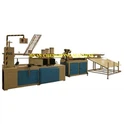
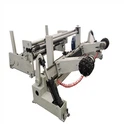
Transporting a paper drum making machine can be a real headache, but don't worry! As a supplier of these machines, I've got plenty of experience in getting them from point A to point B safely. In this blog, I'll share some tips and tricks on how to transport a paper drum making machine like a pro.
Pre - transport Preparations
First things first, you need to do a thorough inspection of the machine. Check for any loose parts, and make sure all the components are in good working condition. It's also a good idea to clean the machine before transport. This not only helps in better inspection but also prevents any debris from causing damage during transit.
Once you've inspected the machine, you'll need to prepare it for packing. Disconnect all the electrical components. This includes unplugging wires, removing control panels if possible, and securing them separately. You don't want any electrical shorts or damage to the sensitive electronic parts.
For the mechanical parts, use protective covers. If there are sharp edges or protruding parts, cover them with foam or rubber padding to prevent scratches and dents. You can also use shrink - wrap to hold the smaller parts together and protect them from dust and moisture.
Choosing the Right Packaging
The type of packaging you choose is crucial. For a paper drum making machine, a wooden crate is often the best option. Wooden crates are sturdy and can withstand the rigors of transportation. They also provide good protection against impacts.
When building the wooden crate, make sure it's the right size. It should fit the machine snugly but still allow enough space for padding. Line the inside of the crate with foam or bubble wrap to provide an extra layer of protection. You can also use straps or braces to secure the machine inside the crate, preventing it from moving around during transit.
If the machine is too large to fit into a single crate, you may need to disassemble it into smaller parts and pack them separately. Just make sure to label each part clearly so that it's easy to reassemble at the destination.
Selecting a Reliable Transporter
Finding a good transporter is key to a successful machine transport. Look for a company that has experience in transporting heavy and bulky equipment. Check their reviews and ask for references. You want to make sure they have a good track record of delivering goods safely and on time.
When you contact the transporter, provide them with detailed information about the machine. This includes its dimensions, weight, and any special handling requirements. The more information they have, the better they can plan the transport.


It's also a good idea to get insurance for the machine during transit. Accidents can happen, and insurance will give you peace of mind knowing that you're covered in case of any damage.
Loading and Unloading
During loading, use the right equipment. A forklift or a crane may be necessary, depending on the size and weight of the machine. Make sure the loading area is flat and stable. The machine should be loaded carefully to avoid any sudden movements or impacts.
At the destination, unloading should be done with the same level of care. The transporter should follow the same safety procedures as during loading. Once the machine is unloaded, it should be placed on a stable surface.
Reassembling the Machine
After the machine has been transported and unloaded, it's time to reassemble it. If you disassembled the machine for transport, follow the instructions carefully. Make sure all the parts are connected properly, and double - check all the electrical and mechanical connections.
Test the machine to make sure it's working correctly. Run some trial runs to ensure that all the functions are operating as they should. If you encounter any problems during the reassembly or testing, don't hesitate to contact the manufacturer or a professional technician.
Types of Paper Drum Making Machines
There are different types of paper drum making machines, each with its own transportation requirements. For example, the Paper Barrel Machine is designed to make paper barrels. This machine may have different dimensions and weight compared to other types, so you need to take these factors into account when planning the transport.
The Automatic Paper Drum Winding Machine is another popular option. It's more automated and may have more sensitive electronic components. Special care should be taken when transporting this type of machine to protect the electronics.
The Fibre Drum Production Line is a larger and more complex setup. Transporting this kind of production line may require more planning and coordination. You may need to work closely with the transporter to ensure that all the components are transported safely and can be reassembled easily.
Cost Considerations
Transporting a paper drum making machine can be expensive. The cost depends on several factors, such as the distance of transport, the size and weight of the machine, and the type of packaging and insurance you choose.
When budgeting for the transport, get quotes from different transporters. Compare the prices and services they offer. Remember, the cheapest option may not always be the best. You want to balance cost with quality and reliability.
Conclusion
Transporting a paper drum making machine is a complex process, but with the right preparations and precautions, it can be done successfully. By following the steps outlined in this blog, you can ensure that your machine arrives at its destination safely and in good working condition.
If you're in the market for a paper drum making machine or need advice on transporting one, feel free to reach out. We're here to help you with all your paper drum making machine needs. Whether it's choosing the right machine, planning the transport, or getting it up and running at your facility, we've got you covered. Let's start a conversation and see how we can work together to meet your requirements.
References
- Industry best practices for heavy equipment transportation
- Manufacturer's guidelines for paper drum making machine disassembly and assembly