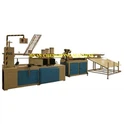
Hey there! I'm a supplier of Paper Core Production Line. Over the years, I've seen my fair share of issues pop up on these production lines. So, today, I'm gonna share some tips on how to troubleshoot a paper core production line.
Understanding the Basics
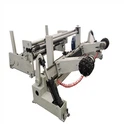
First off, let's get a quick rundown of what a paper core production line does. It's a set of machines that take paper and turn it into those hollow tubes you see in the middle of toilet paper rolls, cardboard tubes for posters, and a whole bunch of other stuff. There are different types of machines involved, like the Toilet Paper Core Machine and the Spiral Paper Core Winder.
Common Issues and How to Fix Them
1. Poor Paper Feeding
One of the most common problems is when the paper doesn't feed smoothly through the machine. This can lead to uneven winding and defective paper cores.
Possible Causes
- Dirty Feed Rollers: Over time, dust and debris can build up on the feed rollers, causing the paper to slip.
- Incorrect Paper Tension: If the paper is too loose or too tight, it won't feed properly.
Solutions
- Clean the Feed Rollers: Use a clean, dry cloth to wipe down the feed rollers regularly. You can also use a mild cleaning solution if there's a lot of buildup.
- Adjust the Paper Tension: Most paper core production lines have tension adjustment knobs or controls. You'll need to play around with these to find the right tension for your paper. Start with a medium setting and make small adjustments until the paper feeds smoothly.
2. Uneven Winding
Another issue is when the paper core isn't wound evenly. This can result in cores that are lopsided or have inconsistent thickness.
Possible Causes
- Misaligned Winding Mandrels: The mandrels are the rods around which the paper is wound. If they're not aligned correctly, the paper won't wind evenly.
- Worn Winding Belts: The belts that drive the winding process can wear out over time, causing uneven movement.
Solutions
- Check and Align the Mandrels: Use a straightedge or a laser alignment tool to make sure the mandrels are perfectly straight and parallel. If they're not, you'll need to adjust the mounting brackets or bolts.
- Replace Worn Winding Belts: Inspect the winding belts regularly for signs of wear, such as cracks or fraying. If you notice any damage, replace the belts as soon as possible.
3. Glue Issues
Glue is used to hold the layers of paper together in a paper core. If there are problems with the glue application, it can lead to weak or delaminated cores.
Possible Causes
- Clogged Glue Nozzles: Glue can dry up and clog the nozzles, preventing proper application.
- Incorrect Glue Temperature: If the glue is too cold, it won't spread evenly. If it's too hot, it can dry too quickly.
Solutions
- Clean the Glue Nozzles: Use a glue nozzle cleaning kit or a small brush to remove any dried glue from the nozzles. You may also need to soak the nozzles in a glue solvent to dissolve stubborn clogs.
- Adjust the Glue Temperature: Check the manufacturer's recommendations for the optimal glue temperature. Most glue systems have temperature controls that you can adjust to keep the glue at the right consistency.
4. Machine Vibrations
Excessive vibrations can cause a lot of problems on a paper core production line, including poor quality cores and premature wear on machine parts.


Possible Causes
- Loose Machine Components: Bolts, nuts, and other fasteners can loosen over time, causing vibrations.
- Unbalanced Rotating Parts: If the rotating parts, such as the motors or pulleys, are not balanced correctly, they can cause vibrations.
Solutions
- Tighten Loose Components: Regularly inspect the machine for loose bolts, nuts, and other fasteners. Use a wrench or a screwdriver to tighten them as needed.
- Balance Rotating Parts: If you suspect that a rotating part is unbalanced, you may need to have it professionally balanced. This usually involves adding or removing small weights to the part to even out its mass distribution.
Preventive Maintenance
The best way to avoid these problems is to perform regular preventive maintenance on your paper core production line. Here are some tips:
- Keep the Machine Clean: As I mentioned earlier, dust and debris can cause a lot of problems. Make sure to clean the machine regularly, especially the feed rollers, glue nozzles, and winding components.
- Lubricate Moving Parts: Use the recommended lubricants to keep the moving parts of the machine running smoothly. This will reduce friction and wear, extending the life of the machine.
- Inspect and Replace Worn Parts: Regularly inspect the machine for signs of wear, such as worn belts, bearings, or gears. Replace any worn parts as soon as possible to prevent further damage.
When to Call in the Professionals
Sometimes, the problems on a paper core production line can be too complex to fix on your own. If you've tried all the troubleshooting steps and the issue still persists, it's time to call in a professional technician. They have the expertise and tools to diagnose and fix even the most difficult problems.
Conclusion
Troubleshooting a paper core production line can be a bit of a challenge, but with the right knowledge and tools, you can keep your machine running smoothly. By understanding the common issues and their solutions, and by performing regular preventive maintenance, you can minimize downtime and ensure the production of high-quality paper cores.
If you're in the market for a new paper core production line or need help with troubleshooting your existing one, don't hesitate to reach out. We're here to assist you with all your paper core production needs.
References
- Industry experience and knowledge gained over years of working with paper core production lines.
- Manufacturer's manuals and technical documentation for various paper core production machines.