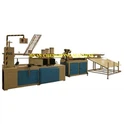
Grounding is a crucial aspect of electrical safety in industrial settings, and a paper core production line is no exception. As a supplier of Paper Core Production Lines, I understand the significance of proper grounding to ensure the smooth operation of the equipment, protect the safety of operators, and prevent potential damage to the machinery. In this blog, I will delve into the grounding requirements for a paper core production line, exploring the reasons behind them and the best practices to follow.


Why Grounding is Necessary for a Paper Core Production Line
A paper core production line typically consists of various electrical components, such as motors, controllers, sensors, and power supplies. These components generate and use electricity to perform their functions. Without proper grounding, electrical faults can occur, leading to several potential hazards:
Electrical Shock
When an electrical system is not grounded correctly, a fault can cause the metal parts of the equipment to become energized. If an operator touches these energized parts, they can receive an electrical shock, which can range from a mild tingle to a life - threatening injury.
Equipment Damage
Electrical surges and static electricity can build up in the production line if there is no proper grounding path. These surges can damage sensitive electronic components, such as control boards and sensors, leading to costly repairs and downtime.
Fire Hazard
Uncontrolled electrical currents can generate heat, which, if it accumulates in the presence of flammable materials (such as paper in a paper core production line), can start a fire. Proper grounding helps to dissipate electrical energy safely, reducing the risk of fire.
Grounding Requirements for Different Components of a Paper Core Production Line
Power Supply
The power supply for the paper core production line should be grounded according to local electrical codes. This usually involves connecting the neutral conductor of the power supply to the ground electrode system. A good grounding electrode system can be made up of ground rods, ground plates, or a combination of both. The resistance of the grounding electrode system should be kept as low as possible, typically less than 25 ohms, to ensure effective grounding.
Electrical Enclosures
All electrical enclosures, such as control cabinets and motor starters, should be grounded. This is done by connecting a grounding conductor to the metal frame of the enclosure. The grounding conductor should be of an appropriate size, based on the electrical current capacity of the equipment inside the enclosure. For example, for larger enclosures with high - power equipment, a thicker grounding conductor may be required.
Motors and Drives
Motors and drives are key components of a paper core production line. They should be grounded to prevent electrical shock and to protect against electrical faults. The motor frame should be connected to the grounding system using a dedicated grounding conductor. Additionally, variable frequency drives (VFDs), which are commonly used in modern production lines, have specific grounding requirements. VFDs can generate high - frequency electrical noise, and proper grounding helps to reduce this noise and prevent interference with other equipment.
Sensors and Control Systems
Sensors and control systems in a paper core production line are often very sensitive to electrical interference. They should be grounded to ensure accurate operation and to protect them from damage. The grounding of sensors and control systems should be carefully designed to avoid creating ground loops, which can cause false readings and damage to the equipment.
Best Practices for Grounding a Paper Core Production Line
Use High - Quality Grounding Materials
When grounding a paper core production line, it is essential to use high - quality grounding materials. This includes copper grounding conductors, which have good electrical conductivity, and properly rated grounding connectors. Using sub - standard materials can lead to poor grounding performance and increase the risk of electrical problems.
Follow Electrical Codes and Standards
Local electrical codes and national standards, such as the National Electrical Code (NEC) in the United States, provide guidelines for grounding in industrial settings. It is important to follow these codes and standards to ensure that the grounding system of the paper core production line is safe and compliant.
Regular Inspections and Maintenance
The grounding system of a paper core production line should be inspected regularly to ensure that it is in good condition. This includes checking the integrity of the grounding conductors, the connection points, and the grounding electrode system. Any signs of damage or corrosion should be addressed immediately.
Isolate Grounding Systems
In some cases, it may be necessary to isolate different grounding systems within the production line. For example, the grounding system for the control electronics may need to be isolated from the grounding system for the power distribution to prevent electrical interference.
Grounding and Specific Paper Core Production Machines
Paper Tube Winding Machines
Paper tube winding machines are a critical part of the paper core production process. These machines often have high - speed rotating components and complex control systems. Proper grounding of the winding machine is essential to prevent electrical interference with the control system, which could lead to inaccurate winding and product defects. The grounding system for paper tube winding machines should be designed to handle the electrical load of the motors and the sensitive control electronics.
Parallel Paper Core Making Machine
Parallel paper core making machines produce multiple paper cores simultaneously. They require a reliable grounding system to ensure the safety of the operators and the proper functioning of the equipment. The grounding system should be able to handle the increased electrical load from multiple motors and control units. Additionally, the grounding of the machine's frame and electrical enclosures should be carefully designed to prevent electrical shock.
Toilet Paper Core Machine
Toilet paper core machines are designed to produce high - quality paper cores for toilet paper rolls. These machines often have precision sensors and automated control systems. Grounding is crucial to protect these sensitive components from electrical interference and damage. The grounding system for a toilet paper core machine should be designed to minimize the risk of electrical noise and to ensure accurate operation of the sensors.
Conclusion
Proper grounding is an essential requirement for a paper core production line. It plays a vital role in ensuring the safety of operators, protecting the equipment from damage, and preventing potential fire hazards. As a supplier of Paper Core Production Lines, I recommend that all customers pay close attention to the grounding requirements of their production lines. By following the best practices and local electrical codes, you can ensure that your paper core production line operates safely and efficiently.
If you are considering purchasing a paper core production line or need to upgrade your existing grounding system, I encourage you to contact us for more information. Our team of experts can provide you with detailed guidance on grounding requirements and help you select the right equipment for your needs. We are committed to providing high - quality paper core production solutions and ensuring the safety and reliability of your production process.
References
- National Electrical Code (NEC), various editions.
- Electrical safety standards and guidelines from relevant industrial organizations.