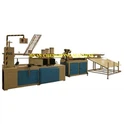
As a supplier of Paper Roll Slitters, I've witnessed firsthand the importance of understanding the various factors that affect the performance and longevity of these machines. One critical aspect that often comes under scrutiny is the relationship between cutting frequency and blade life. In this blog post, I'll delve into this topic, exploring how different cutting frequencies can impact the lifespan of blades in a paper roll slitter.
Understanding the Basics of Paper Roll Slitting
Before we dive into the effects of cutting frequency, it's essential to have a basic understanding of how paper roll slitters work. A paper roll slitter is a machine designed to cut large rolls of paper into smaller, more manageable widths. The process involves feeding the paper roll through a series of blades, which slice the paper into the desired widths. The blades are a crucial component of the slitter, as they directly interact with the paper and determine the quality of the cut.
There are several types of paper roll slitters available in the market, each with its own unique features and capabilities. For instance, the Filter Paper Roll Slitting Machine is specifically designed for slitting filter paper rolls, while the Jumbo Roll Slitting Machine is capable of handling large, heavy rolls of paper. The Automatic Paper Roll Slitting Machine offers automated operation, increasing efficiency and reducing the need for manual intervention.
The Concept of Cutting Frequency
Cutting frequency refers to the number of cuts made by the blade within a given period. It is typically measured in cuts per minute (CPM). The cutting frequency can vary depending on several factors, including the type of paper being slit, the desired width of the finished product, and the speed of the slitting machine.
In general, a higher cutting frequency means that the blade is making more cuts in a shorter amount of time. This can be beneficial in terms of productivity, as it allows for faster processing of paper rolls. However, it also places greater stress on the blade, which can have a significant impact on its lifespan.
How Cutting Frequency Affects Blade Life
The relationship between cutting frequency and blade life is complex and influenced by several factors. Here are some of the key ways in which cutting frequency can affect the lifespan of blades in a paper roll slitter:
Wear and Tear
One of the most obvious effects of a high cutting frequency is increased wear and tear on the blade. Every time the blade makes a cut, it comes into contact with the paper, which causes friction and abrasion. Over time, this friction can cause the blade to dull, reducing its cutting efficiency and quality.
When the cutting frequency is high, the blade is subjected to more frequent contact with the paper, accelerating the wear and tear process. As a result, the blade may need to be replaced more frequently, increasing maintenance costs and downtime for the slitting machine.
Heat Generation
Another factor that can affect blade life is heat generation. When the blade cuts through the paper, it generates heat due to friction. At high cutting frequencies, the heat generated can be significant, which can cause the blade to expand and deform. This can lead to a loss of cutting precision and an increase in the risk of blade breakage.
In addition, high temperatures can also affect the hardness and strength of the blade material. Prolonged exposure to heat can cause the blade to lose its temper, making it more susceptible to wear and damage.
Fatigue
Blades in a paper roll slitter are subjected to repeated stress and strain during the cutting process. At high cutting frequencies, the blade experiences more frequent cycles of stress, which can lead to fatigue. Fatigue is a phenomenon where the blade material gradually weakens over time, eventually leading to cracks and fractures.
Once a blade develops fatigue cracks, its structural integrity is compromised, and it becomes more likely to break during operation. This can not only cause damage to the slitting machine but also pose a safety hazard to operators.
Finding the Optimal Cutting Frequency
Given the negative effects of high cutting frequencies on blade life, it's important to find the optimal cutting frequency for your paper roll slitter. The optimal cutting frequency will depend on several factors, including the type of blade being used, the quality of the paper, and the desired cutting speed.
In general, it's recommended to start with a lower cutting frequency and gradually increase it until you achieve the desired level of productivity without sacrificing blade life. This may require some experimentation and adjustment, but it's worth the effort in the long run.
It's also important to monitor the condition of the blades regularly and replace them as soon as signs of wear or damage become apparent. This can help prevent more serious problems from occurring and ensure the continued performance of your paper roll slitter.
Tips for Extending Blade Life
In addition to finding the optimal cutting frequency, there are several other steps you can take to extend the life of your blades in a paper roll slitter:
Use High - Quality Blades
Investing in high - quality blades is one of the most effective ways to extend blade life. High - quality blades are made from superior materials and are designed to withstand the rigors of the cutting process. They are also more likely to maintain their sharpness and cutting precision for a longer period of time.


Proper Blade Installation and Alignment
Ensuring that the blades are properly installed and aligned is crucial for their performance and longevity. Improper installation or alignment can cause uneven wear on the blade, leading to premature failure. Make sure to follow the manufacturer's instructions when installing and aligning the blades.
Regular Maintenance
Regular maintenance is essential for keeping your blades in good condition. This includes cleaning the blades after each use to remove any paper dust or debris, lubricating the blade edges to reduce friction, and inspecting the blades for signs of wear or damage.
Conclusion
In conclusion, the cutting frequency has a significant impact on the lifespan of blades in a paper roll slitter. While higher cutting frequencies can increase productivity, they also place greater stress on the blades, leading to increased wear and tear, heat generation, and fatigue. By understanding the relationship between cutting frequency and blade life and taking steps to optimize the cutting frequency and extend blade life, you can improve the performance and efficiency of your paper roll slitter while reducing maintenance costs.
If you're in the market for a paper roll slitter or need more information on how to optimize the cutting process for your specific needs, I encourage you to reach out to us. Our team of experts is always ready to assist you in finding the right solution for your business. Whether you're looking for a Filter Paper Roll Slitting Machine, a Jumbo Roll Slitting Machine, or an Automatic Paper Roll Slitting Machine, we have the knowledge and experience to help you make an informed decision. Contact us today to start a discussion about your requirements and explore the possibilities.
References
- Smith, J. (2018). "Blade Technology in Paper Converting." Paper Industry Journal, 45(2), 34 - 42.
- Johnson, A. (2019). "Optimizing Cutting Processes in Paper Roll Slitting." Manufacturing Technology Review, 22(3), 56 - 63.
- Brown, C. (2020). "The Impact of Cutting Frequency on Tool Life in Industrial Cutting Operations." Journal of Manufacturing Science and Engineering, 142(4), 041003.