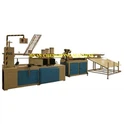
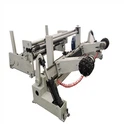
In the field of paper core manufacturing, the winding system stands as a cornerstone technology that significantly influences the quality, efficiency, and versatility of paper core production. As a leading supplier of Paper Core Making Machines, I've witnessed firsthand the pivotal role that the winding system plays in this industry. In this blog post, I will delve into the functions of the winding system in paper core making machines, covering everything from its basic operations to its advanced features and benefits.
Basic Function: Creating Uniform Paper Cores
At its most fundamental level, the winding system in a paper core making machine is responsible for transforming flat paper sheets into cylindrical paper cores. It achieves this by precisely wrapping multiple layers of paper around a mandrel, a central rod that provides the shape and structure for the core. The process typically involves the following steps:


- Paper Feeding: The system starts by feeding the paper from a roll or stack into the machine. This is often done using a set of rollers and guides to ensure a smooth and consistent flow of paper.
- Gluing: As the paper is fed, an adhesive is applied to one side of the paper. This glue will hold the layers of paper together once they are wound.
- Winding: The paper is then wrapped around the mandrel in a controlled manner. The winding speed, tension, and number of layers can be adjusted depending on the specific requirements of the paper core.
- Cutting: Once the desired number of layers has been wound, the paper is cut to the appropriate length, and the completed paper core is removed from the mandrel.
The ability to create uniform paper cores is crucial for many industries. For example, in the packaging industry, uniform paper cores are essential for ensuring the stability and integrity of the packaged products. In the textile industry, they are used as spools for winding yarn, and a consistent core diameter and wall thickness are necessary for smooth and efficient yarn unwinding.
Precision and Consistency
One of the key functions of the winding system is to ensure precision and consistency in paper core production. Modern winding systems are equipped with advanced sensors and control mechanisms that monitor and adjust various parameters during the winding process. These include:
- Tension Control: Maintaining the correct tension in the paper is vital for producing high-quality paper cores. Too much tension can cause the paper to tear, while too little tension can result in a loose and unstable core. The winding system uses tension sensors and adjustable rollers to keep the tension within a specified range.
- Speed Control: The winding speed affects both the production rate and the quality of the paper cores. A consistent speed helps to ensure uniform layer thickness and a smooth surface finish. Advanced winding systems can adjust the speed automatically based on factors such as paper type, core size, and the number of layers.
- Layer Alignment: Precise alignment of the paper layers is necessary to prevent misalignment, which can weaken the core and affect its performance. The winding system uses guides and alignment mechanisms to ensure that each layer of paper is placed accurately on top of the previous one.
By maintaining precision and consistency, the winding system helps to reduce waste, improve product quality, and increase production efficiency. This is particularly important in high-volume manufacturing environments, where even small variations in core quality can have a significant impact on the overall production process.
Flexibility and Customization
Another important function of the winding system is its ability to accommodate a wide range of paper core sizes and specifications. As a paper core machine supplier, we understand that different customers have different requirements, and our winding systems are designed to be highly flexible and customizable.
- Core Size: The winding system can be adjusted to produce paper cores of various diameters, lengths, and wall thicknesses. This allows customers to meet the specific needs of their applications, whether it's for small-scale packaging or large industrial spools.
- Paper Type: Different types of paper, such as kraft paper, cardboard, and tissue paper, can be used in the winding process. The system can be optimized to handle each type of paper, taking into account factors such as its strength, flexibility, and adhesive properties.
- Layer Configuration: The winding system also allows for different layer configurations, such as single-layer, multi-layer, and spiral-wound cores. This flexibility enables customers to create paper cores with the desired strength, stiffness, and other properties.
This flexibility and customization options not only meet the diverse needs of our customers but also give them a competitive edge in the market. They can produce unique paper cores that are tailored to their specific applications, which can help to differentiate their products from those of their competitors.
Advanced Features and Benefits
In addition to the basic functions mentioned above, modern winding systems in paper core making machines are equipped with a range of advanced features that further enhance their performance and efficiency.
- Automation: Many winding systems are now fully automated, which reduces the need for manual labor and increases productivity. Automated systems can perform tasks such as paper feeding, gluing, winding, and cutting with minimal human intervention, resulting in faster production cycles and fewer errors.
- Quality Inspection: Some winding systems are integrated with quality inspection systems that can detect and reject defective paper cores in real-time. These systems use sensors and cameras to monitor the quality of the cores during the winding process, ensuring that only high-quality products are delivered to the customers.
- Energy Efficiency: With increasing concerns about energy consumption and environmental sustainability, many winding systems are designed to be energy-efficient. They use advanced motors and control systems to reduce power consumption while maintaining high levels of performance.
These advanced features not only improve the overall efficiency and productivity of the paper core manufacturing process but also help to reduce costs and environmental impact.
Integration with Other Components
The winding system does not operate in isolation but is an integral part of the entire paper core making machine. It works in conjunction with other components, such as the paper feeding system, glue application system, and cutting system, to ensure a smooth and efficient production process.
- Paper Feeding System: The paper feeding system supplies the paper to the winding system at a consistent speed and tension. A well-designed paper feeding system helps to prevent paper jams and ensures a continuous flow of paper, which is essential for the proper functioning of the winding system.
- Glue Application System: The glue application system applies the appropriate amount of adhesive to the paper before it is wound. The quality and consistency of the glue application can have a significant impact on the strength and durability of the paper cores. The winding system and the glue application system need to be coordinated to ensure that the glue is applied evenly and at the right time.
- Cutting System: The cutting system is responsible for cutting the paper core to the desired length after the winding process is complete. The cutting needs to be precise and clean to ensure the quality of the finished product. The winding system and the cutting system need to work together to synchronize the cutting process with the winding speed.
This seamless integration of the winding system with other components is crucial for achieving high-quality paper core production and maximizing the overall efficiency of the paper core making machine.
Conclusion
In conclusion, the winding system in paper core making machines plays a crucial role in the production of high-quality paper cores. Its functions include creating uniform cores, ensuring precision and consistency, providing flexibility and customization, and integrating with other components of the machine. With the advancement of technology, modern winding systems are becoming more efficient, automated, and environmentally friendly.
As a supplier of Paper Core Making Machines, we are committed to providing our customers with state-of-the-art winding systems that meet their specific needs. Our Parallel Paper Core Making Machine, Paper Core Production Line, and Paper Tube Winding Machines are designed with the latest technology and advanced features to ensure high-quality and efficient paper core production.
If you are interested in purchasing paper core making machines or have any questions about our products, we invite you to contact us. Our team of experts is ready to assist you in finding the right solution for your paper core manufacturing needs and to discuss the details of the procurement process.
References
- Smith, J. (2018). Paper Core Manufacturing Technology. Industrial Publishing.
- Johnson, R. (2019). Advancements in Winding Systems for Paper Cores. Journal of Paper Science and Technology, 25(3), 123-135.
- Brown, M. (2020). The Role of Automation in Paper Core Production. Manufacturing Review, 32(2), 45-56.