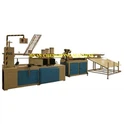
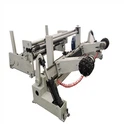
Hey there! As a supplier of Paper Core Making Machines, I often get asked about the inspection standards for newly - purchased machines. In this blog, I'm gonna break down these standards for you so you can be confident in your investment.
1. Physical Inspection
When your brand - new paper core making machine arrives, the first thing you should do is a physical inspection. Start by checking the overall appearance of the machine. Look for any signs of damage during transit, like dents, scratches, or loose parts.
The frame of the machine should be sturdy and well - built. A wobbly or uneven frame can cause problems during operation, leading to inaccurate paper core production. Make sure all the panels are properly installed and there are no gaps or misalignments.
Next, examine the electrical components. The wiring should be neatly arranged and properly insulated. Loose wires can be a major safety hazard and can also cause the machine to malfunction. Check for any signs of frayed wires or exposed conductors.
The control panel is another crucial part. It should be in good condition, with all the buttons and switches working properly. Try turning on the machine and see if the control panel lights up and responds to your inputs. If there are any error messages or unresponsive buttons, it's a red flag.
2. Mechanical Component Inspection
Let's talk about the mechanical parts of the paper core making machine. The rollers are one of the most important components. They should be smooth and free of any nicks or grooves. Uneven rollers can result in poor paper core quality, such as uneven thickness or surface roughness.
The cutting mechanism is also vital. It should be sharp and able to make clean cuts. Test the cutting function by running a few sample papers through the machine. The cuts should be straight and precise. If the cuts are jagged or incomplete, the cutting blade may need to be replaced or adjusted.
The feeding system is responsible for delivering the paper to the appropriate parts of the machine. It should operate smoothly, without any jams or misfeeds. Check the alignment of the paper guides and make sure they are properly adjusted for the paper size you'll be using.
The bearings in the machine should be well - lubricated and free of noise. Excessive noise from the bearings can indicate wear and tear, which may lead to premature failure. Listen carefully while the machine is running to detect any abnormal sounds.
3. Performance Testing
Once you've completed the physical and mechanical inspections, it's time to test the performance of the paper core making machine. Start by running a test production with a small batch of paper. Observe the speed and efficiency of the machine. It should be able to produce paper cores at the specified rate.
Check the quality of the paper cores produced. The cores should have a consistent diameter and wall thickness. Measure a few samples using a caliper to ensure they meet your requirements. The surface of the cores should be smooth and free of wrinkles or bubbles.


The bonding strength of the paper layers in the core is also important. You can perform a simple peel test to check the adhesion. Try to separate the paper layers by hand. If the layers come apart easily, the bonding process may need to be adjusted.
Test the machine's ability to handle different types of paper. It should be able to work with various paper weights and materials, such as kraft paper or recycled paper. Make sure the machine can adjust to different paper properties without compromising the quality of the paper cores.
4. Safety Features Inspection
Safety is always a top priority when it comes to operating any machine. Check the safety guards on the paper core making machine. They should be in place and properly installed. The guards are designed to prevent operators from coming into contact with moving parts, reducing the risk of injury.
The emergency stop button is a critical safety feature. It should be easily accessible and clearly marked. Test the emergency stop button by pressing it while the machine is running. The machine should stop immediately.
The electrical safety features, such as grounding and over - current protection, should also be checked. A proper grounding system helps prevent electrical shocks, while over - current protection can prevent damage to the machine in case of a power surge.
5. Software and Automation Inspection (if applicable)
Many modern paper core making machines come with software and automation features. If your machine has these, you need to inspect them as well. Check the software interface. It should be user - friendly and easy to navigate.
Test the automation functions, such as automatic paper feeding, cutting, and stacking. The machine should be able to perform these tasks accurately and consistently. If there are any programming errors or glitches, contact the technical support team for assistance.
Different Types of Paper Core Making Machines
There are several types of paper core making machines available in the market, each with its own unique features and inspection requirements.
- Spiral Paper Core Winder: This type of machine is used to make spiral - wound paper cores. You can learn more about it Spiral Paper Core Winder. When inspecting a spiral paper core winder, pay special attention to the winding mechanism. The spiral winding should be uniform and tight. Check the tension control system to ensure it can maintain the right amount of tension during the winding process.
- Toilet Paper Core Machine: As the name suggests, this machine is designed to produce toilet paper cores. Find more details about it Toilet Paper Core Machine. For a toilet paper core machine, the focus should be on the size and quality of the cores. The cores should be the right diameter and length to fit standard toilet paper rolls. The surface finish of the cores should be smooth to avoid scratching the toilet paper.
- Parallel Paper Core Making Machine: This machine is used to make parallel - wound paper cores. Get more information Parallel Paper Core Making Machine. When inspecting a parallel paper core making machine, check the parallel alignment of the paper layers. The cores should have a straight and uniform appearance. The speed and accuracy of the parallel winding process are also important factors to consider.
Conclusion
Inspecting a newly - purchased paper core making machine is a crucial step to ensure its proper functioning and longevity. By following these inspection standards, you can identify any potential issues early on and get them resolved before they cause major problems.
If you're in the market for a paper core making machine or have any questions about the inspection process, don't hesitate to reach out. We're here to help you make the right choice and ensure that your investment in a paper core making machine pays off.
References
- Industry standards for paper core making machines
- Manufacturer's operation and maintenance manuals