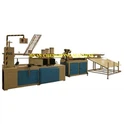
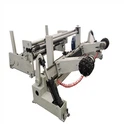
Hey there! As a supplier of paper tube machines, I often get asked about the noise level of these machines during operation. It's a valid concern, especially for those who are planning to set up a production line or already have one in a shared workspace. In this blog, I'll dive into what the noise level of a paper tube machine is like, what factors can affect it, and how you can manage it.
First off, let's talk about the typical noise levels. On average, a paper tube machine usually operates at a noise level ranging from 70 to 85 decibels (dB). To put that into perspective, normal conversation is around 60 dB, and a vacuum cleaner runs at about 70 - 80 dB. So, the noise from a paper tube machine is comparable to that of a household vacuum, but it can be a bit louder depending on certain factors.
One of the main factors that affect the noise level is the type of paper tube machine. For instance, the Toilet Paper Core Machine is designed specifically for producing toilet paper cores. These machines are often more compact and might have a relatively lower noise level compared to larger, more industrial - scale machines. They usually operate in the lower end of the 70 - 85 dB range, around 70 - 75 dB. This is because they have fewer moving parts and a simpler mechanism for rolling and cutting the paper into the right shape for toilet paper cores.
On the other hand, the Spiral Paper Core Winder is used to create spiral - wound paper cores. These machines tend to be a bit louder, often reaching up to 80 - 85 dB. The reason for this is that they involve a more complex process of winding the paper in a spiral pattern. There are multiple rollers, motors, and cutting mechanisms working in tandem, which can generate more noise as they move and interact with each other.
The Parallel Paper Core Making Machine also has its own noise characteristics. This machine is used to make parallel - wound paper cores, and its noise level can vary depending on its size and speed. Smaller models might be closer to the 70 - 75 dB range, while larger, high - speed industrial models can get closer to the 80 - 85 dB mark. The high - speed operation of these machines means that the moving parts are working at a faster pace, which can increase the noise output.
Another factor that affects the noise level is the age and condition of the machine. A brand - new paper tube machine is likely to be quieter than an older one. Over time, the moving parts of the machine can wear out, and the bearings can start to make more noise. The belts might also become loose, causing vibrations and additional noise. Regular maintenance can help keep the noise level in check. This includes lubricating the moving parts, tightening the belts, and replacing worn - out components.
The environment in which the machine is placed also plays a role. If the machine is installed on a hard, non - absorbent surface, the noise can bounce off the floor and walls, making it seem louder. Placing the machine on a rubber mat or in an area with sound - absorbing materials can help reduce the overall noise level. Additionally, if the machine is in a small, enclosed space, the noise can be amplified. A larger, well - ventilated room with proper acoustic treatment can make the noise more bearable.
Now, you might be wondering if the noise levels of paper tube machines are a cause for concern. In general, noise levels below 85 dB are considered safe for long - term exposure. However, if the noise is continuous and at the higher end of the 70 - 85 dB range, it can still be a nuisance and potentially cause some hearing fatigue over time. It's important to take precautions, such as providing ear protection for the operators. Earplugs or earmuffs can significantly reduce the amount of noise that reaches the ears, protecting the workers' hearing.
If you're in the market for a paper tube machine and noise is a major concern for you, there are some things you can look for. When you're evaluating different machines, ask the supplier about the noise level specifications. A good supplier should be able to provide you with accurate information based on real - world testing. You can also ask if the machine has any noise - reducing features, such as special insulation or dampening materials.
At our company, we understand the importance of noise management. That's why we're constantly working on improving the design of our paper tube machines to reduce noise levels. We use high - quality components that are designed to operate smoothly and quietly. Our engineers are always looking for ways to optimize the machine's performance while keeping the noise down.


In conclusion, the noise level of a paper tube machine during operation typically ranges from 70 to 85 dB, depending on the type of machine, its age, and the operating environment. While these noise levels are generally within the safe range, it's still important to take steps to manage the noise for the comfort and safety of the operators.
If you're interested in purchasing a paper tube machine and want to learn more about our products, including their noise levels and other features, don't hesitate to reach out. We're here to answer all your questions and help you find the perfect machine for your business needs. Let's start a conversation and see how we can work together to make your paper tube production more efficient and less noisy.
References
- Industrial Noise Control Handbook, various editions
- OSHA (Occupational Safety and Health Administration) guidelines on noise exposure in the workplace