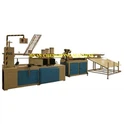
In the paper manufacturing industry, the packaging of paper rolls produced by a paper roll making machine is a crucial step that not only protects the product during transportation and storage but also affects its overall quality and marketability. As a leading supplier of Paper Roll Making Machines, I have extensive experience in understanding the various packaging methods suitable for different types of paper rolls. In this blog, I will delve into the details of these packaging methods, exploring their advantages, applications, and considerations.
Understanding the Basics of Paper Roll Packaging
Before discussing the specific packaging methods, it is essential to understand the basic requirements for paper roll packaging. The primary goals of packaging paper rolls are to prevent damage, maintain the quality of the paper, and ensure easy handling and storage. Factors such as the type of paper, the size and weight of the roll, and the intended transportation and storage conditions all play a role in determining the most appropriate packaging method.
Common Packaging Materials
The choice of packaging materials is fundamental to the success of the packaging process. Some of the most commonly used materials for paper roll packaging include:
- Plastic Films: Plastic films, such as polyethylene (PE) and polypropylene (PP), are widely used due to their flexibility, durability, and moisture resistance. They can be used to wrap the paper rolls tightly, providing a protective barrier against dust, moisture, and physical damage.
- Paperboard: Paperboard is a sturdy and recyclable material that can be used to create boxes or sleeves for paper rolls. It offers good protection against impacts and can be customized with printing for branding and product information.
- Pallets: Pallets are essential for the transportation and storage of paper rolls. They provide a stable base for the rolls and allow for easy handling using forklifts or pallet jacks. Wooden pallets are the most common type, but plastic and metal pallets are also available.
Packaging Methods for Paper Rolls
1. Wrapping with Plastic Film
Wrapping paper rolls with plastic film is one of the most common and cost - effective packaging methods. There are two main types of plastic film wrapping:
- Stretch Wrapping: Stretch wrapping involves using a stretch film that is stretched around the paper roll to hold it securely. This method is suitable for irregularly shaped or unstable rolls. The stretch film conforms to the shape of the roll, providing a tight and protective wrap. It is often used in combination with a pallet to secure the roll in place.
- Shrink Wrapping: Shrink wrapping uses a heat - shrinkable plastic film. The film is placed around the paper roll and then heated, causing it to shrink and form a tight seal around the roll. Shrink wrapping provides excellent protection against moisture, dust, and tampering. It is commonly used for high - value or sensitive paper products.
2. Boxing with Paperboard
Boxing paper rolls with paperboard is a more protective and aesthetically pleasing packaging option. The process involves placing the paper roll inside a custom - made paperboard box. The box can be designed to fit the exact dimensions of the roll, providing a snug fit and preventing movement during transportation. Some paperboard boxes may also have additional features, such as inserts or dividers, to further protect the roll.
3. Sleeve Packaging
Sleeve packaging is a lightweight and cost - effective alternative to boxing. A paperboard sleeve is placed around the paper roll, covering the outer surface. Sleeve packaging is particularly suitable for smaller paper rolls and can be easily customized with printing. It provides some protection against scratches and dust while allowing for easy identification of the product.
4. Strapping
Strapping is often used in combination with other packaging methods to secure paper rolls on pallets. Steel or plastic straps are wrapped around the rolls and the pallet, holding them together tightly. Strapping helps to prevent the rolls from shifting during transportation and reduces the risk of damage.
Considerations for Choosing the Right Packaging Method
When selecting a packaging method for paper rolls, several factors need to be considered:
- Type of Paper: Different types of paper have different requirements for protection. For example, delicate papers, such as tissue paper or photographic paper, may require more protective packaging than heavier papers, such as kraft paper.
- Size and Weight of the Roll: Larger and heavier paper rolls may require more robust packaging methods, such as boxing or multiple layers of wrapping. Smaller rolls may be suitable for sleeve packaging or simple plastic film wrapping.
- Transportation and Storage Conditions: If the paper rolls are to be transported over long distances or stored in harsh environments, more protective packaging is necessary. For example, rolls that will be exposed to moisture during transportation may need a moisture - resistant packaging material.
- Cost: Cost is always a consideration in packaging. While more elaborate packaging methods may provide better protection, they can also be more expensive. It is important to find a balance between protection and cost - effectiveness.
Specialized Packaging for Different Types of Paper Rolls
1. Lottery Paper Rolls
Lottery paper rolls require special packaging to ensure the security and integrity of the lottery information. The Lottery Paper Slitter Rewinder is often used to produce these rolls. The packaging for lottery paper rolls typically involves multiple layers of protection, including tamper - evident seals and secure wrapping. This helps to prevent unauthorized access and ensures that the lottery results remain confidential.
2. Kraft Paper Rolls
Kraft paper is a strong and durable paper commonly used for packaging and industrial applications. The Kraft Paper Roll Slitting Machine is used to produce kraft paper rolls of different sizes. For kraft paper rolls, a combination of stretch wrapping and strapping on a pallet is often sufficient. The stretch wrapping protects the roll from moisture and dust, while the strapping secures it on the pallet for easy handling.


3. High - Precision Paper Rolls
High - precision paper rolls, such as those used in the printing and electronics industries, require very precise packaging to maintain their quality. These rolls are often wrapped with anti - static plastic films to prevent electrostatic discharge (ESD) damage. Additionally, they may be placed in custom - made boxes with foam inserts to provide cushioning and protection against vibrations.
Our Role as a Paper Roll Making Machine Supplier
As a supplier of Paper Roll Making Machines, we understand the importance of proper packaging in the paper manufacturing process. We not only provide high - quality machines but also offer guidance on the most suitable packaging methods for the paper rolls produced by our machines. Our team of experts can help you evaluate your specific needs and recommend the best packaging solutions to ensure the quality and safety of your products.
Conclusion
Proper packaging of paper rolls is essential for maintaining their quality, protecting them during transportation and storage, and enhancing their marketability. By understanding the different packaging methods, materials, and considerations, you can choose the most appropriate solution for your paper rolls. Whether you are producing lottery paper rolls, kraft paper rolls, or high - precision paper rolls, we are here to support you with our expertise and high - quality Paper Roll Making Machines.
If you are interested in learning more about our Paper Roll Making Machines or need advice on paper roll packaging, please feel free to contact us for a detailed discussion and procurement negotiation. We look forward to working with you to meet your paper manufacturing needs.
References
- "Packaging Technology for Paper and Board Products" - Packaging Association of the Paper Industry
- "Best Practices in Paper Roll Packaging" - International Paper Manufacturing Journal