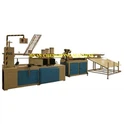
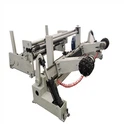
Hey there! As a supplier of Paper Roll Slitters, I often get asked about the vibration level of these machines during operation. It's a crucial aspect that can significantly impact the performance, quality of the output, and even the lifespan of the equipment. So, let's dive right into it and explore what the vibration level of a paper roll slitter is all about.
Understanding the Basics of Paper Roll Slitters
Before we get into the nitty - gritty of vibration levels, let me give you a quick rundown on paper roll slitters. These machines are designed to cut large rolls of paper into smaller, more manageable rolls. They're used in a wide range of industries, from packaging to printing.
There are different types of paper roll slitters out there. For example, the Jumbo Paper Roll Slitting Rewinding Machine is great for handling those really big paper rolls. It can efficiently slit and rewind the paper, making it ready for further processing. Another type is the Automatic Kraft Paper Roll Slitting Rewinding Machine For Paper Bag Industry, which is specifically tailored for the paper bag manufacturing sector. And then we have the Jumbo Roll Slitting Rewinding Machine, which offers high - speed and precise slitting for jumbo rolls.
What Causes Vibration in Paper Roll Slitters?
There are several factors that can cause vibration in paper roll slitters during operation. One of the main culprits is the imbalance of rotating parts. The cutting blades, shafts, and rollers are all rotating components. If they're not properly balanced, it can lead to uneven forces acting on the machine, resulting in vibration.
For instance, if the cutting blade is slightly off - center, it will create a wobbling effect as it rotates. This wobbling can then transfer to the rest of the machine, causing it to vibrate. Another common cause is the misalignment of components. When the rollers or shafts are not aligned correctly, the paper may not feed through the machine smoothly. This can cause the machine to work harder and generate vibrations.


The quality of the paper itself can also play a role. If the paper has uneven thickness or density, it can cause the machine to vibrate as it tries to slit and rewind it. And let's not forget about the wear and tear of the machine. Over time, the bearings, belts, and other moving parts can wear out. This can lead to increased play and looseness in the machine, which in turn can cause vibration.
Why is Vibration a Big Deal?
You might be wondering why vibration is such a big deal. Well, excessive vibration can have a number of negative impacts. First of all, it can affect the quality of the slit paper. When the machine vibrates, the cutting blades may not cut the paper as precisely. This can result in uneven edges, jagged cuts, or even tears in the paper.
In addition, vibration can increase the wear and tear on the machine. The constant shaking can cause the components to break down faster. This means more frequent maintenance and replacement of parts, which can be costly and time - consuming. Vibration can also be a safety hazard. It can make the machine unstable, increasing the risk of accidents. And let's not forget about the noise. Excessive vibration often leads to increased noise levels, which can be a nuisance for the operators and may even violate workplace noise regulations.
Measuring Vibration Levels
So, how do we measure the vibration level of a paper roll slitter? There are several methods and tools available. One common way is to use vibration sensors. These sensors can be attached to different parts of the machine, such as the frame, the cutting head, or the rollers. They measure the amplitude and frequency of the vibration.
The amplitude refers to the maximum displacement of the vibrating part from its equilibrium position. A higher amplitude generally indicates more severe vibration. The frequency, on the other hand, refers to the number of vibrations per unit of time. Different frequencies can have different effects on the machine and the quality of the output.
Another method is to use a vibration analyzer. This device can collect and analyze the vibration data from the sensors. It can provide detailed information about the vibration characteristics, such as the root cause of the vibration and the severity of the problem. Based on this information, operators can take appropriate measures to reduce the vibration.
Controlling Vibration Levels
Once we've measured the vibration levels, the next step is to control them. There are several ways to do this. One of the most effective ways is to ensure proper maintenance of the machine. Regularly checking and balancing the rotating parts can significantly reduce vibration. This includes checking the alignment of the rollers and shafts, and replacing worn - out bearings and belts.
Using high - quality paper can also help. By ensuring that the paper has consistent thickness and density, the machine will have an easier time slitting and rewinding it, reducing the likelihood of vibration. And don't forget about the installation of the machine. Making sure it's installed on a stable and level surface can help minimize vibration.
In some cases, additional vibration - damping materials can be used. These materials can absorb the vibration energy and reduce the amount of vibration that is transferred to the rest of the machine. For example, rubber pads can be placed under the machine to dampen the vibrations.
Our Approach as a Supplier
As a supplier of paper roll slitters, we take vibration levels very seriously. We design our machines with high - precision components to minimize the risk of imbalance and misalignment. Our engineers use advanced simulation and testing techniques to ensure that the machines operate smoothly with minimal vibration.
We also provide comprehensive maintenance and support services to our customers. We offer training on how to measure and control vibration levels, as well as regular maintenance schedules to keep the machines in top condition. And if a customer does experience vibration issues, our technical support team is always ready to help troubleshoot and find a solution.
Conclusion
In conclusion, the vibration level of a paper roll slitter during operation is an important factor that can affect the performance, quality, and safety of the machine. By understanding the causes of vibration, measuring it accurately, and taking appropriate control measures, we can ensure that the machine operates smoothly and efficiently.
If you're in the market for a paper roll slitter, or if you're experiencing vibration issues with your existing machine, don't hesitate to reach out. We're here to help you find the best solution for your needs. Whether it's a Jumbo Paper Roll Slitting Rewinding Machine, an Automatic Kraft Paper Roll Slitting Rewinding Machine For Paper Bag Industry, or a Jumbo Roll Slitting Rewinding Machine, we've got you covered. Let's start a conversation and see how we can work together to improve your paper slitting process.
References
- Machinery Vibration Analysis Handbook
- Industrial Paper Processing Equipment Manuals