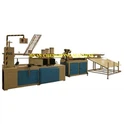
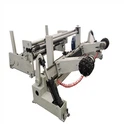
In the realm of packaging solutions, the paper edge board machine stands as a crucial piece of equipment, especially for businesses aiming to enhance the protection of their products during transit and storage. As a dedicated supplier of paper edge board machines, I am excited to delve into the working principle of these remarkable machines, shedding light on how they transform raw materials into essential packaging components.

Understanding the Basics of Paper Edge Board
Before we explore the working principle of the paper edge board machine, it's essential to understand what paper edge board is. Paper edge board, also known as paper edge protector, is a packaging material made from multiple layers of paper. It is used to protect the edges of goods, preventing damage from impacts, compression, and abrasion during handling and shipping. Paper edge board comes in various shapes and sizes, including L-shaped, U-shaped, and flat, to suit different packaging needs.
The Working Principle of a Paper Edge Board Machine
The working principle of a paper edge board machine can be broken down into several key stages: paper feeding, gluing, folding, cutting, and stacking. Let's take a closer look at each stage:
1. Paper Feeding
The process begins with the paper feeding stage. In this stage, large rolls of paper are loaded onto the machine. The paper is typically made from kraft paper, which is strong and durable. The machine unwinds the paper from the rolls and feeds it into the subsequent processing stages. To ensure a continuous and smooth feeding process, the machine is equipped with a tension control system that adjusts the tension of the paper as it is being fed. This helps to prevent the paper from tearing or wrinkling, ensuring the quality of the final product.
2. Gluing
Once the paper is fed into the machine, it enters the gluing stage. In this stage, a layer of adhesive is applied to one side of the paper. The adhesive used is usually a water-based glue that is environmentally friendly and has good bonding properties. The gluing system consists of a glue tank, a glue roller, and a doctor blade. The glue roller picks up the adhesive from the glue tank and applies it evenly to the paper. The doctor blade is used to control the thickness of the adhesive layer, ensuring that the right amount of glue is applied.
3. Folding
After the paper is glued, it moves on to the folding stage. In this stage, the machine folds the paper into the desired shape, such as an L-shape or a U-shape. The folding process is carried out by a series of folding rollers and guides. The folding rollers apply pressure to the paper, bending it along the pre-determined folding lines. The guides ensure that the paper is folded accurately and consistently, maintaining the shape and dimensions of the paper edge board.
4. Cutting
Once the paper is folded, it enters the cutting stage. In this stage, the machine cuts the folded paper into the desired length. The cutting system consists of a cutting blade and a cutting table. The cutting blade is driven by a motor and moves across the cutting table, slicing through the paper. The cutting length can be adjusted according to the user's requirements, allowing for the production of paper edge boards of different sizes.
5. Stacking
After the paper edge boards are cut, they are transferred to the stacking stage. In this stage, the machine stacks the paper edge boards neatly into bundles. The stacking system consists of a conveyor belt and a stacking device. The conveyor belt transports the paper edge boards to the stacking device, which arranges them into stacks. The stacks can then be further processed, such as wrapping or strapping, before being packaged for shipment.
The Role of Automation in Paper Edge Board Machines
Modern paper edge board machines are highly automated, incorporating advanced technologies to improve efficiency, productivity, and quality. Automation plays a crucial role in every stage of the production process, from paper feeding to stacking. Here are some of the key features of automated paper edge board machines:
Programmable Logic Controller (PLC)
Most paper edge board machines are equipped with a PLC, which is a computerized control system that manages the operation of the machine. The PLC allows the user to program the machine to perform specific tasks, such as setting the cutting length, adjusting the folding angle, and controlling the speed of the machine. This makes it easy to customize the production process according to the user's requirements, improving flexibility and efficiency.
Sensor Technology
Automated paper edge board machines are also equipped with sensor technology, which helps to monitor and control the production process. Sensors are used to detect the position, speed, and tension of the paper, as well as the level of adhesive in the glue tank. This information is then transmitted to the PLC, which adjusts the operation of the machine accordingly. For example, if the sensor detects that the paper is running out, the PLC will automatically stop the machine and alert the operator.
Automatic Lubrication System
To ensure the smooth operation of the machine, automated paper edge board machines are equipped with an automatic lubrication system. This system lubricates the moving parts of the machine, such as the rollers, bearings, and gears, at regular intervals. This helps to reduce friction and wear, extending the lifespan of the machine and improving its reliability.
The Benefits of Using a Paper Edge Board Machine
Using a paper edge board machine offers several benefits for businesses in the packaging industry. Here are some of the key advantages:
Cost Savings
By producing paper edge boards in-house, businesses can save on the cost of purchasing pre-made packaging materials. Paper edge board machines are relatively inexpensive to operate, requiring only a small amount of electricity and adhesive. In addition, the raw materials used to produce paper edge boards, such as kraft paper, are widely available and relatively inexpensive. This makes it a cost-effective solution for businesses looking to reduce their packaging costs.
Customization
Paper edge board machines allow businesses to customize the size, shape, and thickness of the paper edge boards according to their specific needs. This provides greater flexibility in packaging design, enabling businesses to create packaging solutions that are tailored to their products. For example, businesses can produce paper edge boards with different folding angles, cutting lengths, and adhesive strengths to meet the requirements of different products.
Environmental Friendliness
Paper edge board is a sustainable packaging material that is made from renewable resources. It is biodegradable and recyclable, making it an environmentally friendly alternative to traditional packaging materials such as plastic and metal. By using a paper edge board machine, businesses can contribute to reducing their environmental impact and promoting sustainable packaging practices.
Improved Product Protection
Paper edge board provides excellent protection for the edges of goods, preventing damage from impacts, compression, and abrasion during handling and shipping. This helps to reduce the risk of product damage, improving customer satisfaction and reducing the cost of returns. In addition, paper edge board is lightweight and easy to handle, making it a convenient packaging solution for businesses of all sizes.
Conclusion
In conclusion, the paper edge board machine is a remarkable piece of equipment that plays a crucial role in the packaging industry. By understanding the working principle of these machines, businesses can make informed decisions about investing in the right equipment for their needs. As a supplier of paper edge board machines, I am committed to providing high-quality products and excellent customer service. If you are interested in learning more about our Paper Angle Machine or other paper packaging machines, please feel free to contact us. We look forward to discussing your packaging requirements and helping you find the best solution for your business.
References
- Packaging Machinery Manufacturers Institute (PMMI). (2023). Packaging Machinery Technology Trends.
- Smith, J. (2022). The Future of Sustainable Packaging. Journal of Packaging Science and Technology.
- Johnson, A. (2021). Automated Packaging Solutions for the 21st Century. Packaging World.