


Can a paper roll cutting machine be used for cutting photographic paper?
As a supplier of paper roll cutting machines, I often encounter various inquiries from customers regarding the compatibility of our machines with different types of paper. One question that comes up frequently is whether a paper roll cutting machine can be used for cutting photographic paper. In this blog post, I'll delve into this topic, exploring the technical aspects, potential challenges, and the suitability of our machines for this specific application.
Understanding Photographic Paper
Photographic paper is a specialized type of paper designed for printing photographs. It has unique characteristics that set it apart from regular paper. The surface of photographic paper is typically coated with light - sensitive emulsions that react to light to form images. This coating gives the paper a smooth, glossy, or matte finish, depending on the type. Additionally, photographic paper is often thicker and more rigid than standard office paper, which can affect the cutting process.
Technical Capabilities of Paper Roll Cutting Machines
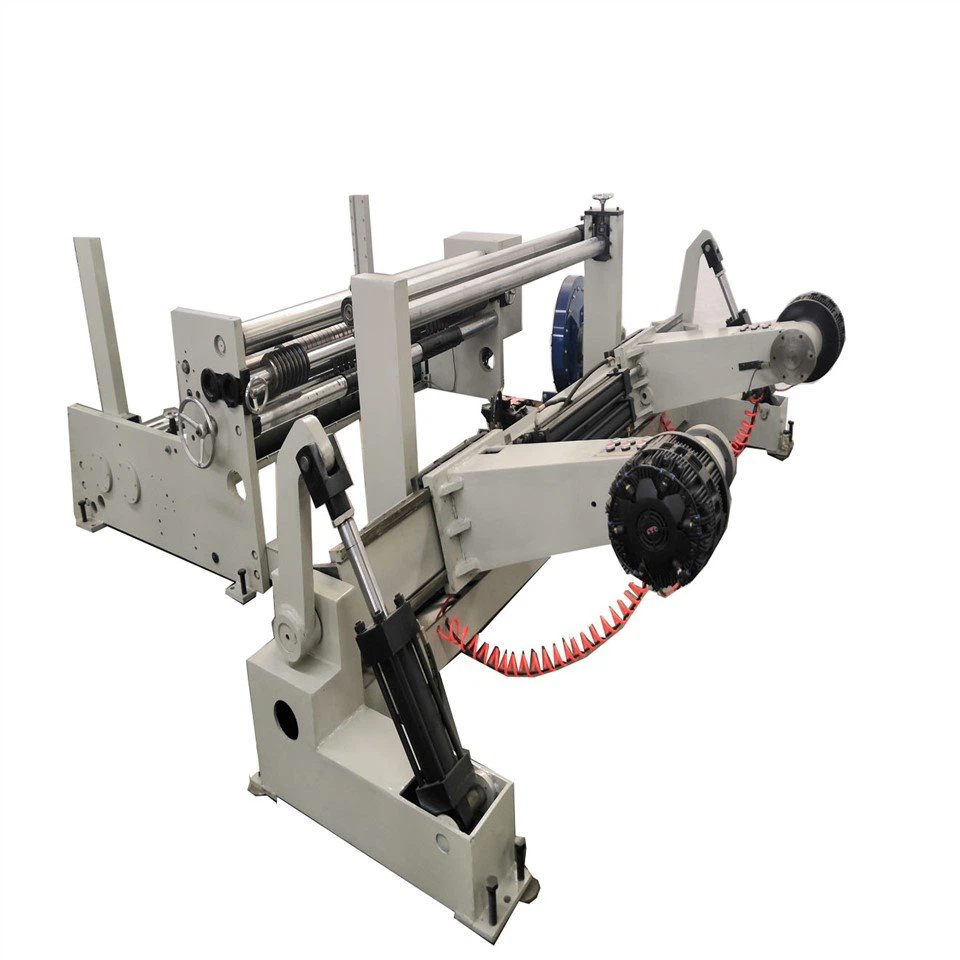
Our company offers a range of paper roll cutting machines, including the Jumbo Roll Slitter Rewinder Paper, Jumbo Roll Slitting Rewinding Machine, and Paper Roll Slitting Cutting Machine. These machines are equipped with advanced cutting technologies and precision controls, which allow for accurate and efficient cutting of paper rolls.
The cutting mechanisms in our machines are designed to handle a variety of paper thicknesses and materials. They use sharp blades that can make clean cuts through different types of paper. For example, the slitting blades are engineered to cut through the paper smoothly, minimizing the risk of tearing or jagged edges. The rewinding systems are also adjustable, enabling the machine to handle different roll diameters and widths, which is crucial when dealing with photographic paper of various sizes.
Suitability for Cutting Photographic Paper
In general, our paper roll cutting machines can be used for cutting photographic paper, but there are several factors to consider.
1. Blade Selection
The type of blade used in the cutting machine is critical. Since photographic paper has a coated surface, a blade that is too dull or rough can damage the coating, resulting in poor - quality cuts or even ruining the paper. We recommend using high - quality, sharp blades specifically designed for cutting coated papers. These blades can make clean cuts without scratching or smudging the surface of the photographic paper.
2. Cutting Pressure
The cutting pressure needs to be carefully adjusted when cutting photographic paper. Too much pressure can cause the paper to deform or the coating to crack, while too little pressure may result in incomplete cuts. Our machines are equipped with pressure - adjustment features, allowing operators to fine - tune the cutting pressure according to the thickness and characteristics of the photographic paper.
3. Static Electricity
Photographic paper is prone to static electricity, which can cause the paper to stick together or attract dust during the cutting process. This can affect the cutting accuracy and the overall quality of the finished product. To mitigate this issue, our machines can be equipped with anti - static devices. These devices help to neutralize the static charge on the paper, ensuring smooth feeding and cutting.
4. Dust and Debris
The cutting process can generate dust and debris, which can be a problem for photographic paper, as it can contaminate the light - sensitive coating. Our machines are designed with dust - collection systems to minimize the presence of dust during cutting. This helps to maintain the quality of the photographic paper and ensures that the cuts are clean and free from contaminants.
Potential Challenges and Solutions
Despite the suitability of our machines for cutting photographic paper, there are still some potential challenges that users may face.
1. Coating Damage
As mentioned earlier, the delicate coating on photographic paper can be easily damaged during cutting. To prevent this, operators should ensure that the blades are sharp and properly aligned. Regular blade maintenance, such as sharpening and replacement, is also essential to avoid coating damage.
2. Size and Format Variations
Photographic paper comes in a wide range of sizes and formats. Our machines offer adjustable cutting widths and lengths, which can accommodate different requirements. However, users need to carefully set up the machine according to the specific size of the photographic paper they are cutting. This may involve adjusting the cutting guides and the rewinding parameters.
3. High - Volume Production
For high - volume production of cut photographic paper, the machine's speed and efficiency become crucial. Our machines are designed for high - speed operation, but it's important to note that the cutting speed may need to be adjusted depending on the thickness and quality of the photographic paper. Slower speeds may be required for thicker or more delicate papers to ensure accurate cuts.
Conclusion
In conclusion, our paper roll cutting machines can be effectively used for cutting photographic paper, provided that the appropriate precautions and adjustments are made. The advanced features of our machines, such as blade selection, pressure adjustment, anti - static devices, and dust - collection systems, make them suitable for this specialized application.
If you are in the business of printing or handling photographic paper and are looking for a reliable paper roll cutting solution, we invite you to contact us for more information. Our team of experts can provide you with detailed technical advice and help you choose the most suitable machine for your specific needs. Whether you are a small - scale photo lab or a large - scale printing company, we have the right machine to meet your requirements.

References
- "Handbook of Paper Science and Technology", Second Edition, edited by Robert E. Mark and Jan G. Pawlak.
- "Principles of Paper Handling and Processing", by John C. Bateman.





