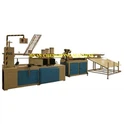
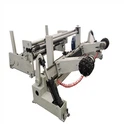
As a seasoned supplier of Paper Tube Machines, I've encountered numerous inquiries regarding the machine's capabilities, particularly the question: Can a paper tube machine produce spiral paper tubes? In this blog, I'll delve into this topic, providing a comprehensive answer and shedding light on the technicalities involved.


Understanding Paper Tube Machines
Before we address the main question, let's first understand what a paper tube machine is. Paper tube machines are industrial equipment designed to manufacture paper tubes of various sizes, shapes, and structures. These machines are widely used in industries such as packaging, textiles, and construction. They can produce tubes with different wall thicknesses, diameters, and lengths, depending on the specific requirements of the application.
There are different types of paper tube machines available in the market, each with its own unique features and capabilities. Some of the common types include Spiral Paper Core Winder, Toilet Paper Core Machine, and Parallel Paper Core Making Machine. Each type is designed to produce specific types of paper tubes, and the choice of machine depends on the desired tube characteristics.
Can a Paper Tube Machine Produce Spiral Paper Tubes?
The answer is yes, a paper tube machine can produce spiral paper tubes. However, not all paper tube machines are capable of producing spiral paper tubes. To produce spiral paper tubes, you need a specific type of paper tube machine called a spiral paper core winder.
A spiral paper core winder is designed to wind paper strips around a mandrel in a spiral pattern, creating a tube with a spiral structure. This type of machine uses a continuous winding process, where the paper strips are fed onto the mandrel at a specific angle and speed, resulting in a tightly wound spiral tube. The spiral structure of the tube provides several advantages, including high strength, durability, and resistance to crushing.
How Does a Spiral Paper Core Winder Work?
A spiral paper core winder consists of several key components, including a paper feeding system, a mandrel, a winding mechanism, and a cutting system. Here's a step-by-step overview of how a spiral paper core winder works:
- Paper Feeding: The paper feeding system feeds the paper strips onto the mandrel. The paper strips are typically unwound from large rolls and guided onto the mandrel using a series of rollers and guides.
- Winding: The winding mechanism rotates the mandrel while simultaneously feeding the paper strips onto it at a specific angle and speed. As the paper strips are wound around the mandrel, they form a spiral pattern, creating the tube structure.
- Adhesive Application: In some cases, an adhesive may be applied to the paper strips before they are wound around the mandrel. The adhesive helps to bond the paper layers together, increasing the strength and durability of the tube.
- Cutting: Once the desired tube length is reached, the cutting system cuts the tube from the mandrel. The cutting can be done using a variety of methods, including sawing, slitting, or laser cutting.
- Ejection: After the tube is cut, it is ejected from the mandrel and collected for further processing or packaging.
Advantages of Spiral Paper Tubes
Spiral paper tubes offer several advantages over other types of paper tubes, making them a popular choice in various industries. Some of the key advantages include:
- High Strength: The spiral structure of the tube provides high strength and durability, making it suitable for applications where the tube needs to withstand heavy loads or pressure.
- Resistance to Crushing: Spiral paper tubes are more resistant to crushing than parallel-wound tubes, making them ideal for use in packaging applications where the tube needs to protect its contents from damage.
- Customizable: Spiral paper tubes can be customized to meet specific requirements, including diameter, length, wall thickness, and paper type. This allows for greater flexibility in design and application.
- Environmentally Friendly: Paper tubes are made from renewable resources and are biodegradable, making them an environmentally friendly alternative to plastic tubes.
Applications of Spiral Paper Tubes
Spiral paper tubes are used in a wide range of applications across various industries. Some of the common applications include:
- Packaging: Spiral paper tubes are commonly used in the packaging industry for products such as textiles, paper rolls, and food products. They provide a protective and eco-friendly packaging solution that can be customized to meet specific requirements.
- Textiles: Spiral paper tubes are used in the textile industry as cores for winding yarns, threads, and fabrics. They provide a stable and reliable support for the winding process, ensuring that the yarns and fabrics are wound evenly and without damage.
- Construction: Spiral paper tubes are used in the construction industry as formwork for concrete columns and pipes. They provide a cost-effective and easy-to-use alternative to traditional formwork materials, such as steel and wood.
- Industrial: Spiral paper tubes are used in various industrial applications, such as cable winding, film winding, and tape winding. They provide a reliable and efficient solution for winding and storing various materials.
Choosing the Right Paper Tube Machine
If you're considering purchasing a paper tube machine to produce spiral paper tubes, it's important to choose the right machine for your specific needs. Here are some factors to consider when choosing a paper tube machine:
- Production Capacity: Determine the production capacity you require based on your business needs. Consider factors such as the desired tube diameter, length, and production volume.
- Tube Specifications: Consider the specific requirements of the tubes you want to produce, including diameter, length, wall thickness, and paper type. Make sure the machine you choose is capable of producing tubes that meet your specifications.
- Quality and Reliability: Look for a machine that is built to last and offers high-quality performance. Consider factors such as the machine's construction, components, and reputation in the industry.
- Ease of Use and Maintenance: Choose a machine that is easy to operate and maintain. Look for features such as user-friendly controls, easy access to components, and comprehensive maintenance instructions.
- Cost: Consider the cost of the machine, including the purchase price, operating costs, and maintenance costs. Make sure the machine offers a good return on investment and fits within your budget.
Contact Us for More Information
If you're interested in learning more about our paper tube machines or have any questions about producing spiral paper tubes, please don't hesitate to contact us. Our team of experts is available to provide you with detailed information, answer your questions, and help you choose the right machine for your specific needs. We look forward to hearing from you and discussing how we can assist you with your paper tube production requirements.
References
- Smith, J. (2020). Paper Tube Manufacturing: A Comprehensive Guide. New York: Industrial Press.
- Johnson, R. (2019). The Benefits of Spiral Paper Tubes in Packaging. Packaging World, 45(3), 22-25.
- Brown, A. (2018). Advances in Paper Tube Machine Technology. Manufacturing Today, 32(4), 18-21.