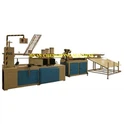
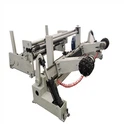
As a dedicated supplier of Paper Tube Winding Machines, I've witnessed firsthand the incredible efficiency and versatility these machines bring to the paper tube manufacturing industry. In this blog post, I'll take you through the detailed operation process of a paper tube winding machine, shedding light on its components, working principles, and practical applications.
1. Understanding the Components of a Paper Tube Winding Machine
Before delving into the operation process, it's essential to familiarize ourselves with the key components of a paper tube winding machine. These components work in harmony to ensure the smooth and precise production of paper tubes.
- Paper Feeding System: This system is responsible for supplying the raw paper material to the winding section. It typically consists of a paper roll holder, a tension control mechanism, and a guiding device. The paper roll is mounted on the holder, and the tension control mechanism ensures that the paper is fed at a consistent speed and tension. The guiding device helps to align the paper accurately, preventing it from deviating during the winding process.
- Winding Section: The winding section is the heart of the paper tube winding machine. It consists of a mandrel, which is a cylindrical rod around which the paper is wound, and a set of winding rollers. The mandrel rotates at a high speed, while the winding rollers press the paper against the mandrel, gradually building up the layers of paper to form a tube. The number of winding rollers and their arrangement can vary depending on the type and size of the paper tubes being produced.
- Gluing System: To ensure that the layers of paper adhere firmly to each other, a gluing system is used. This system applies a thin layer of adhesive to the paper before it is wound onto the mandrel. The adhesive can be water-based, solvent-based, or hot melt, depending on the specific requirements of the application. The gluing system typically consists of a glue tank, a pump, and a set of nozzles or rollers for applying the adhesive.
- Cutting System: Once the paper tube has reached the desired length, it needs to be cut off from the mandrel. The cutting system is responsible for this task. It can be either a mechanical cutter or a laser cutter, depending on the precision and speed required. The cutting system is usually synchronized with the winding process to ensure that the tubes are cut at the correct length.
- Control System: The control system is the brain of the paper tube winding machine. It monitors and regulates the operation of all the components, ensuring that the machine runs smoothly and efficiently. The control system can be either manual or automated, depending on the complexity of the machine. Automated control systems use sensors and programmable logic controllers (PLCs) to adjust the speed, tension, and other parameters of the machine in real-time.
2. The Operation Process of a Paper Tube Winding Machine
Now that we have a basic understanding of the components of a paper tube winding machine, let's take a closer look at the operation process.
- Preparing the Machine: Before starting the machine, it's important to ensure that all the components are in good working condition and that the necessary materials, such as paper and adhesive, are available. The operator should also check the settings of the control system to ensure that they are appropriate for the type and size of the paper tubes being produced.
- Loading the Paper: The first step in the operation process is to load the paper onto the paper roll holder. The paper should be aligned properly and the tension should be adjusted to ensure that it is fed smoothly into the winding section.
- Applying the Adhesive: Once the paper is loaded, the gluing system is activated to apply the adhesive to the paper. The amount of adhesive applied should be carefully controlled to ensure that it is sufficient to bond the layers of paper together without causing excessive waste.
- Winding the Paper: As the paper is fed into the winding section, the mandrel starts to rotate, and the winding rollers press the paper against the mandrel. The paper is wound around the mandrel in a spiral pattern, gradually building up the layers of paper to form a tube. The speed and tension of the winding process are carefully controlled to ensure that the tube has a uniform thickness and diameter.
- Cutting the Tube: Once the paper tube has reached the desired length, the cutting system is activated to cut the tube off from the mandrel. The cut tube is then removed from the machine and placed on a conveyor or a storage rack.
- Finishing the Tube: Depending on the specific requirements of the application, the paper tube may need to undergo some additional finishing processes, such as sanding, printing, or coating. These processes can be carried out using separate machines or integrated into the paper tube winding machine.
3. Types of Paper Tube Winding Machines
There are several types of paper tube winding machines available on the market, each designed for specific applications and production requirements. Some of the most common types include:


- Parallel Paper Core Making Machine: This type of machine is used to produce parallel paper cores, which are widely used in the packaging, textile, and paper industries. The Parallel Paper Core Making Machine is capable of producing cores with a wide range of diameters and lengths, and it can be customized to meet the specific requirements of the customer.
- Toilet Paper Core Machine: As the name suggests, this type of machine is used to produce toilet paper cores. Toilet paper cores are typically made from recycled paper and are designed to be lightweight and strong. The Toilet Paper Core Machine is optimized for high-speed production and can produce cores with a high degree of precision and consistency.
- Paper Core Production Line: A paper core production line is a complete system that includes all the necessary components for producing paper cores, from the paper feeding system to the finishing section. The Paper Core Production Line is designed for large-scale production and can be customized to meet the specific requirements of the customer.
4. Applications of Paper Tube Winding Machines
Paper tube winding machines are used in a wide range of industries for various applications. Some of the most common applications include:
- Packaging Industry: Paper tubes are widely used in the packaging industry for packaging products such as textiles, food, beverages, and cosmetics. They provide a cost-effective and environmentally friendly alternative to plastic and metal packaging.
- Textile Industry: Paper tubes are used in the textile industry for winding yarns, threads, and fabrics. They help to protect the products during storage and transportation and make them easier to handle.
- Paper Industry: Paper tubes are used in the paper industry for winding paper rolls. They provide a stable and secure core for the paper rolls, preventing them from collapsing or deforming during storage and transportation.
- Other Industries: Paper tubes are also used in other industries, such as the automotive, construction, and electronics industries, for various applications, such as insulation, reinforcement, and protection.
5. Conclusion
In conclusion, paper tube winding machines are essential equipment in the paper tube manufacturing industry. They offer a high degree of efficiency, precision, and versatility, allowing manufacturers to produce a wide range of paper tubes to meet the specific requirements of their customers. By understanding the components, operation process, types, and applications of paper tube winding machines, manufacturers can make informed decisions when choosing the right machine for their production needs.
If you're interested in learning more about our Paper Tube Winding Machines or have any questions about our products, please don't hesitate to contact us. We'd be happy to discuss your requirements and provide you with a customized solution that meets your needs.
References
- "Paper Tube Manufacturing Technology" by John Smith
- "Handbook of Paper Tube and Core Production" by Jane Doe
- "Advances in Paper Tube Winding Machine Design" by Robert Johnson