


Hey there! As a supplier of Paper Roll Slitters, I often get asked about the best way to store these machines when they're not in use. It's a crucial question because proper storage can significantly extend the lifespan of your slitter and ensure it's in top - notch condition when you need to fire it up again.
First things first, let's talk about the location. You want to find a clean, dry, and temperature - controlled area to store your paper roll slitter. Moisture is the enemy here. If your slitter gets exposed to high humidity, it can lead to rusting of the metal parts, which can not only affect the machine's appearance but also its functionality. A basement or a damp shed is definitely out of the question. A well - ventilated industrial storage unit or a dedicated room in your factory would be ideal.
Now, before you move the slitter to its storage spot, you need to do a thorough cleaning. Start by removing any paper scraps, dust, or debris that might be stuck on the machine. Use a soft brush to get into all the nooks and crannies, especially around the blades and the conveyor belts. You can also use a mild cleaning solution to wipe down the surfaces, but make sure to dry it completely afterward. This helps prevent the buildup of grime that can cause wear and tear over time.
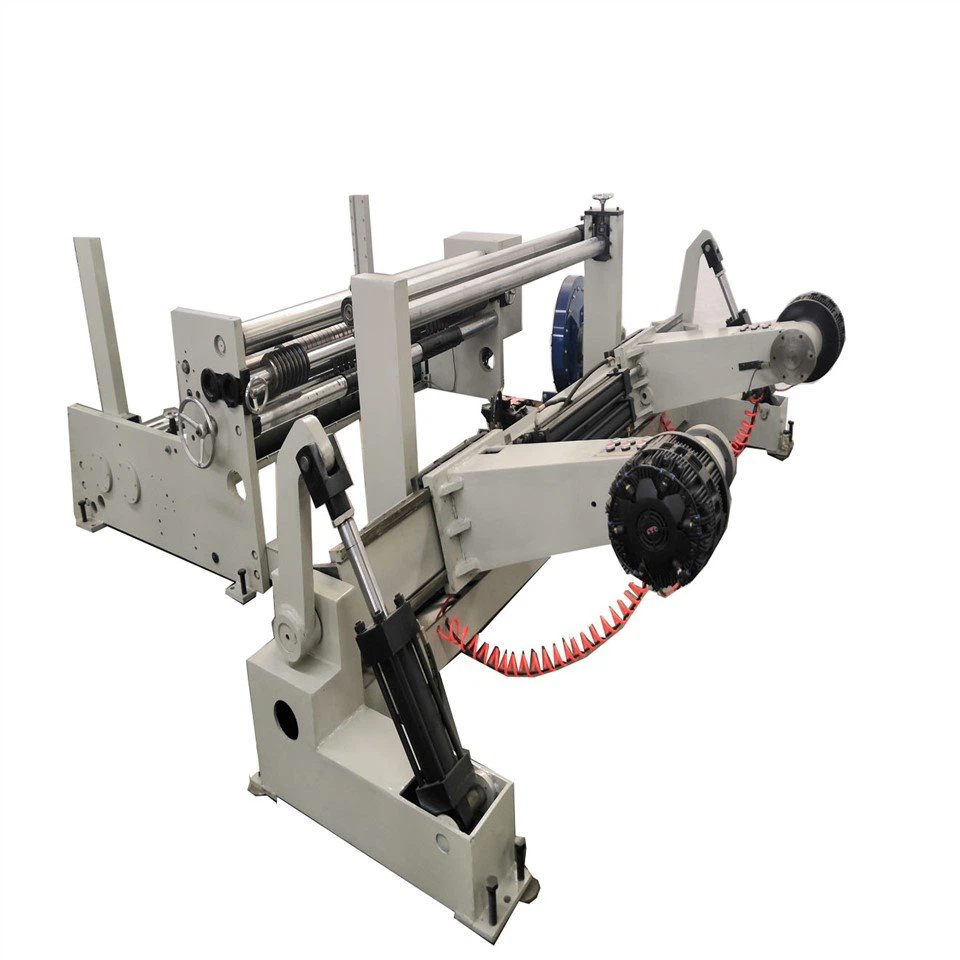

Next, you should lubricate all the moving parts. The blades, bearings, and gears need a good dose of lubricant to prevent corrosion and keep them running smoothly. Check the manufacturer's guidelines to see what type of lubricant is recommended for your specific model. Apply the lubricant evenly and make sure to wipe off any excess to avoid attracting dust.
Once the cleaning and lubrication are done, it's time to think about protection. You can cover the slitter with a heavy - duty, dust - proof cover. This will shield it from any airborne particles and accidental bumps or scratches. If you don't have a cover specifically designed for a paper roll slitter, you can use a large tarp, but make sure it's secured tightly so it doesn't blow off.
Another important aspect is to disconnect all the power sources. Unplug the machine from the electrical outlet and remove any batteries if it's a battery - operated model. This not only reduces the risk of electrical hazards but also prevents any power drainage that could potentially damage the internal components.
If your slitter has blades, it's a good idea to protect them separately. You can use blade guards or sheaths to prevent them from getting dull or damaged during storage. This simple step can save you a lot of money on blade replacements in the long run.
Now, let's talk about some specific models. We offer a range of paper roll slitters, such as the Automatic Kraft Paper Roll Slitting Rewinding Machine For Paper Bag Industry, the Paper Roll Slitting Cutting Machine, and the Jumbo Roll Slitter Rewinder Paper. Each of these models may have slightly different storage requirements, so it's always a good idea to refer to the user manual.
For example, the Automatic Kraft Paper Roll Slitting Rewinding Machine has complex rewinding mechanisms that need to be protected carefully. Make sure to check the tension of the belts and the alignment of the rollers before storing it. The Paper Roll Slitting Cutting Machine, on the other hand, has sharp cutting blades that require extra attention during cleaning and protection. And the Jumbo Roll Slitter Rewinder Paper, being designed for handling large rolls, may need more space for storage and proper support to prevent any structural damage.
It's also a good practice to label the slitter with its model number, serial number, and the date of storage. This makes it easier to keep track of your equipment, especially if you have multiple machines in storage. You can use a permanent marker or a label maker to create clear and visible labels.
Periodically, you should check on your stored slitter. Even if it's in a seemingly safe environment, things can still go wrong. Check for any signs of damage, such as cracks in the casing, loose parts, or signs of rust. If you notice anything amiss, address it immediately to prevent further problems.
When it comes time to take the slitter out of storage and put it back into use, you need to reverse the storage process. Remove the cover, clean off any dust that may have accumulated, and re - lubricate the moving parts. Check all the electrical connections and make sure everything is in working order before you start using it.
In conclusion, proper storage of a paper roll slitter is essential for its longevity and performance. By following these simple steps, you can ensure that your slitter stays in great condition and is ready to go whenever you need it. Whether you're using our Automatic Kraft Paper Roll Slitting Rewinding Machine, Paper Roll Slitting Cutting Machine, or Jumbo Roll Slitter Rewinder Paper, taking good care of your equipment is always a smart investment.
If you're in the market for a new paper roll slitter or have any questions about our products, don't hesitate to reach out. We're here to help you find the perfect solution for your paper - slitting needs. Let's start a conversation and see how we can work together to improve your paper - processing operations.
References
- Manufacturer's user manuals for paper roll slitters
- Industry best practices for equipment storage





