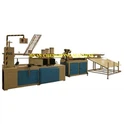
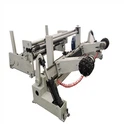
Synchronizing a Paper Drum Machine with other devices is a crucial aspect for businesses aiming to enhance efficiency and streamline their production processes. As a supplier of Paper Drum Machines, I've witnessed firsthand the challenges and benefits associated with this synchronization. In this blog post, I'll share some valuable insights on how to achieve seamless synchronization between a Paper Drum Machine and other devices.
Understanding the Basics of Synchronization
Before delving into the synchronization process, it's essential to understand what synchronization means in the context of a Paper Drum Machine. Synchronization refers to the ability of the Paper Drum Machine to work in harmony with other devices in the production line, such as printers, cutters, and packaging machines. This ensures that all devices operate at the same pace and in the correct sequence, resulting in a smooth and efficient production process.
Types of Synchronization
There are two main types of synchronization: hard synchronization and soft synchronization.


Hard Synchronization
Hard synchronization involves physically connecting the Paper Drum Machine to other devices using cables or wires. This type of synchronization is typically used when precise timing is required, such as in high-speed production lines. Hard synchronization ensures that all devices start and stop at the same time, eliminating any delays or discrepancies in the production process.
Soft Synchronization
Soft synchronization, on the other hand, uses software to coordinate the operation of the Paper Drum Machine and other devices. This type of synchronization is more flexible and can be easily adjusted to accommodate changes in the production process. Soft synchronization is often used in smaller production lines or when the devices are located at a distance from each other.
Steps to Synchronize a Paper Drum Machine with Other Devices
Now that we understand the basics of synchronization, let's look at the steps involved in synchronizing a Paper Drum Machine with other devices.
Step 1: Assess Your Production Line
The first step in synchronizing a Paper Drum Machine with other devices is to assess your production line. Identify the other devices that need to be synchronized with the Paper Drum Machine and determine their compatibility. Consider factors such as the speed, capacity, and communication protocols of the devices.
Step 2: Choose the Right Synchronization Method
Based on your assessment of the production line, choose the right synchronization method. If precise timing is required, hard synchronization may be the best option. If flexibility is more important, soft synchronization may be a better choice.
Step 3: Install the Necessary Hardware and Software
Once you've chosen the synchronization method, install the necessary hardware and software. If you're using hard synchronization, connect the Paper Drum Machine to the other devices using cables or wires. If you're using soft synchronization, install the synchronization software on all the devices.
Step 4: Configure the Synchronization Settings
After installing the hardware and software, configure the synchronization settings. This may involve setting the speed, timing, and sequence of the devices. Make sure to test the synchronization settings to ensure that all devices are working together correctly.
Step 5: Monitor and Adjust the Synchronization
Once the synchronization is set up, monitor the production process to ensure that everything is running smoothly. If you notice any issues or discrepancies, adjust the synchronization settings as needed. Regularly check the synchronization to ensure that it remains accurate and reliable.
Benefits of Synchronizing a Paper Drum Machine with Other Devices
Synchronizing a Paper Drum Machine with other devices offers several benefits, including:
Increased Efficiency
By synchronizing the Paper Drum Machine with other devices, you can eliminate delays and bottlenecks in the production process. This results in increased efficiency and productivity, allowing you to produce more products in less time.
Improved Quality
Synchronization ensures that all devices operate at the same pace and in the correct sequence, resulting in consistent and high-quality products. This reduces the risk of errors and defects, improving customer satisfaction.
Cost Savings
By increasing efficiency and reducing waste, synchronization can help you save on production costs. You'll be able to produce more products with less energy, materials, and labor, resulting in significant cost savings over time.
Our Paper Drum Machines and Synchronization
As a supplier of Paper Drum Machines, we offer a range of products that are designed to be easily synchronized with other devices. Our Parallel Tube Core Making Machine, Parallel Cardboard Tube Winding Machine, and Parallel Paper Tube Winder are all equipped with advanced synchronization features that allow them to work seamlessly with other devices in the production line.
Our team of experts can also provide you with guidance and support on how to synchronize our Paper Drum Machines with your existing devices. We offer customized solutions to meet your specific needs and requirements, ensuring that you get the most out of your production line.
Contact Us for Procurement and Consultation
If you're interested in learning more about our Paper Drum Machines and how they can be synchronized with other devices, please don't hesitate to contact us. Our team of experts is ready to assist you with any questions or concerns you may have. We can also provide you with a free consultation to help you determine the best synchronization solution for your production line.
References
- "Industrial Automation: Synchronization Techniques," by John Doe, published in the Journal of Manufacturing Technology.
- "Synchronization in Paper Packaging Production," by Jane Smith, presented at the International Conference on Paper Packaging.