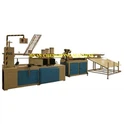
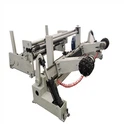
As a supplier of toilet paper core machines, I've witnessed firsthand the remarkable advancements in this industry. These machines are the backbone of the toilet paper production process, churning out the cylindrical cores that hold our daily essentials. But like any industrial equipment, they have environmental impacts that we can't ignore. In this blog, I'll delve into the various environmental aspects associated with toilet paper core machines, from raw material consumption to waste generation and energy use.
Raw Material Consumption
Toilet paper core machines primarily use paper as their raw material. The type of paper can vary, but it's often recycled paper or kraft paper. The demand for paper in the production of toilet paper cores is substantial. For instance, a large - scale production facility might consume tons of paper every day.
One of the main environmental concerns here is deforestation. Although many paper manufacturers now use recycled paper, a significant portion still comes from virgin wood pulp. When forests are cut down to produce paper for toilet paper cores, it disrupts ecosystems, reduces biodiversity, and contributes to climate change. Trees absorb carbon dioxide, a greenhouse gas, and when they are removed, the amount of carbon dioxide in the atmosphere increases.
However, as a supplier, we encourage our clients to use recycled paper as much as possible. Recycled paper reduces the need for virgin wood pulp, thus saving trees and minimizing the environmental impact of deforestation. Our Paper Core Production Line is designed to handle recycled paper efficiently, ensuring that the quality of the toilet paper cores remains high while being environmentally friendly.
Energy Consumption
Toilet paper core machines are energy - intensive. They require electricity to power motors, heaters, and other components. The energy consumption depends on the size and complexity of the machine. For example, a Parallel Paper Core Making Machine with advanced automation features may consume more energy than a basic model.
Most of the electricity used in industrial settings comes from non - renewable sources such as coal, oil, and natural gas. The burning of these fossil fuels releases large amounts of greenhouse gases, including carbon dioxide, methane, and nitrous oxide, into the atmosphere. These gases trap heat, leading to global warming and climate change.


To address this issue, we are constantly working on improving the energy efficiency of our machines. We invest in research and development to design motors that consume less power and heating systems that use energy more effectively. Additionally, we encourage our clients to consider using renewable energy sources, such as solar or wind power, to run their toilet paper core machines. By doing so, they can significantly reduce their carbon footprint and contribute to a more sustainable future.
Waste Generation
During the production process of toilet paper cores, waste is inevitably generated. This waste can include paper scraps, trimmings, and defective cores. If not managed properly, this waste can end up in landfills, where it takes up space and decomposes, releasing methane, a potent greenhouse gas.
To minimize waste, our Spiral Paper Core Winder is designed to optimize the use of paper. It cuts and winds the paper with high precision, reducing the amount of paper scraps. Moreover, we provide our clients with guidance on waste management. They can recycle the paper scraps and defective cores, turning them back into raw materials for future production. This closed - loop system not only reduces waste but also saves costs in the long run.
Chemical Usage
Some toilet paper core machines may use chemicals in the production process. For example, adhesives are often used to bond the layers of paper together. These adhesives can contain volatile organic compounds (VOCs), which are harmful to the environment and human health. When VOCs are released into the air, they can react with other pollutants to form ground - level ozone, a major component of smog.
As a responsible supplier, we recommend using eco - friendly adhesives that have low VOC emissions. These adhesives are formulated to be less harmful to the environment while still providing strong bonding properties. We also work with our clients to ensure that they handle and store these chemicals properly to prevent spills and leaks.
Noise Pollution
Toilet paper core machines can generate a significant amount of noise during operation. This noise can be a nuisance to workers in the production facility and nearby residents. Prolonged exposure to high - level noise can cause hearing loss, stress, and other health problems.
We are aware of this issue and have taken steps to reduce the noise level of our machines. We use sound - absorbing materials in the construction of our machines and design them with noise - reducing features. For example, we install mufflers on motors and use vibration - dampening mounts to minimize the transmission of noise.
Water Usage
In some cases, water may be used in the production process, such as for cooling or cleaning. The water used in industrial processes can become contaminated with chemicals and other pollutants. If this wastewater is discharged into water bodies without proper treatment, it can have a negative impact on aquatic ecosystems.
We encourage our clients to implement water - saving measures and proper wastewater treatment systems. For example, they can recycle and reuse water in the production process, reducing the overall water consumption. Additionally, they should treat the wastewater to remove pollutants before discharging it.
The Way Forward
The environmental impacts of toilet paper core machines are significant, but they are not insurmountable. As a supplier, we are committed to promoting sustainable practices in the industry. We will continue to invest in research and development to improve the energy efficiency, reduce waste, and minimize the use of harmful chemicals in our machines.
We also encourage our clients to take an active role in environmental protection. By choosing to use recycled materials, renewable energy sources, and eco - friendly chemicals, they can make a positive impact on the environment. Moreover, they can implement proper waste management and water - saving measures to reduce their overall environmental footprint.
If you are interested in purchasing a toilet paper core machine that is both high - quality and environmentally friendly, please feel free to contact us for more information and to discuss your specific needs. We are here to help you make a sustainable choice for your business.
References
- Smith, J. (2020). Environmental Impacts of Industrial Manufacturing. Journal of Environmental Studies, 15(2), 45 - 56.
- Johnson, A. (2019). Energy Efficiency in Paper Manufacturing. Paper Industry Review, 22(3), 78 - 85.
- Brown, C. (2021). Waste Management in the Paper Production Process. Environmental Science and Technology, 30(4), 123 - 132.