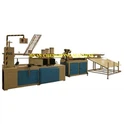
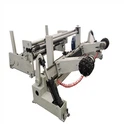
As a supplier of Roll Cutting Machines, I understand the critical role that cutting process optimization plays in the efficiency and quality of production. In this blog, I will delve into the various methods for optimizing the cutting process of a Roll Cutting Machine, sharing insights based on our extensive experience in the industry.
Understanding the Basics of Roll Cutting Machines
Before we explore the optimization methods, it's essential to have a clear understanding of how Roll Cutting Machines work. These machines are designed to cut large rolls of materials, such as paper, film, or fabric, into smaller, more manageable widths. The cutting process typically involves a rotating blade or blades that move across the roll, slicing it into the desired sizes.
Roll Cutting Machines come in various types and configurations, each tailored to specific applications and materials. Some common types include Kraft Paper Roll Slitting Machine, Paper Roll Slitting Cutting Machine, and Jumbo Roll Slitting Machine. The choice of machine depends on factors such as the material being cut, the required cutting precision, and the production volume.
Key Factors Affecting the Cutting Process
Several factors can influence the performance and quality of the cutting process in a Roll Cutting Machine. Understanding these factors is crucial for implementing effective optimization strategies. Here are some of the key factors to consider:
1. Blade Selection and Maintenance
The blade is the heart of the cutting process, and choosing the right blade for the material and application is essential. Different materials require different blade types and geometries to achieve optimal cutting results. For example, a sharp, serrated blade may be more suitable for cutting paper, while a smooth, circular blade may be better for cutting film.
In addition to proper blade selection, regular blade maintenance is also crucial. Dull or damaged blades can lead to poor cutting quality, increased wear on the machine, and higher production costs. Blade sharpening, cleaning, and replacement should be performed at regular intervals to ensure consistent cutting performance.
2. Cutting Speed and Feed Rate
The cutting speed and feed rate are two critical parameters that affect the cutting process. The cutting speed refers to the speed at which the blade moves across the roll, while the feed rate refers to the speed at which the roll is fed into the machine. Finding the right balance between these two parameters is essential for achieving optimal cutting quality and efficiency.
If the cutting speed is too high, the blade may overheat, causing it to dull quickly and reducing the cutting quality. On the other hand, if the cutting speed is too low, the production rate will be slow, increasing the overall production time and cost. Similarly, if the feed rate is too high, the material may not be cut properly, resulting in uneven edges or incomplete cuts. Conversely, if the feed rate is too low, the production efficiency will be reduced.
3. Tension Control
Maintaining proper tension on the material during the cutting process is crucial for achieving accurate and consistent cuts. If the tension is too high, the material may stretch or break, leading to poor cutting quality. If the tension is too low, the material may sag or wrinkle, causing the blade to cut unevenly.
Tension control can be achieved through various methods, such as using tension sensors, adjustable brakes, or servo motors. These devices can monitor and adjust the tension in real-time, ensuring that the material is fed into the machine at a consistent rate and with the appropriate tension.
4. Machine Alignment and Calibration
Proper machine alignment and calibration are essential for ensuring accurate and consistent cutting results. Over time, the machine components may become misaligned or worn, leading to deviations in the cutting path and reduced cutting quality. Regular machine maintenance, including alignment checks and calibration, should be performed to ensure that the machine is operating at its optimal performance.
Optimization Methods for Roll Cutting Machines
Now that we have a better understanding of the key factors affecting the cutting process, let's explore some of the optimization methods that can be implemented to improve the performance and efficiency of Roll Cutting Machines.
1. Process Automation
Automation is one of the most effective ways to optimize the cutting process in a Roll Cutting Machine. By using advanced control systems and sensors, the machine can automatically adjust the cutting speed, feed rate, tension, and other parameters based on the material properties and cutting requirements. This not only improves the cutting accuracy and consistency but also reduces the need for manual intervention, increasing the overall production efficiency.
For example, some modern Roll Cutting Machines are equipped with computer numerical control (CNC) systems that allow operators to program the cutting parameters in advance. The machine can then automatically execute the programmed cutting sequence, ensuring that each cut is made with precision and repeatability.
2. Quality Monitoring and Feedback
Implementing a quality monitoring system is another important optimization method. By using sensors and cameras, the machine can continuously monitor the cutting process and detect any quality issues in real-time. If a problem is detected, the system can automatically adjust the cutting parameters or stop the machine to prevent further damage.
In addition to real-time monitoring, feedback from operators and customers can also be used to improve the cutting process. By collecting and analyzing data on cutting quality, production efficiency, and customer satisfaction, manufacturers can identify areas for improvement and implement targeted optimization strategies.
3. Material Handling and Preparation
Proper material handling and preparation can also have a significant impact on the cutting process. Before the material is fed into the machine, it should be properly inspected, cleaned, and aligned to ensure that it is in the best condition for cutting. This can help to reduce the occurrence of cutting defects and improve the overall cutting quality.
For example, if the material is dirty or contaminated, it may cause the blade to dull quickly or leave residue on the cut edges. By cleaning the material before cutting, these issues can be minimized. Similarly, if the material is not properly aligned, the blade may cut at an angle, resulting in uneven edges. By using alignment guides or sensors, the material can be fed into the machine accurately, ensuring straight and precise cuts.
4. Training and Operator Skill Development
Finally, investing in training and operator skill development is essential for optimizing the cutting process in a Roll Cutting Machine. Operators should be trained on the proper operation, maintenance, and troubleshooting of the machine to ensure that it is used correctly and efficiently. This can help to reduce the occurrence of operator errors, improve the cutting quality, and increase the overall production efficiency.
In addition to technical training, operators should also be trained on quality control principles and techniques. By understanding the importance of quality and how to detect and correct cutting defects, operators can play a crucial role in ensuring that the final product meets the required standards.
Conclusion
Optimizing the cutting process in a Roll Cutting Machine is essential for improving the performance, efficiency, and quality of production. By understanding the key factors affecting the cutting process and implementing the appropriate optimization methods, manufacturers can achieve significant improvements in cutting accuracy, consistency, and productivity.


As a supplier of Roll Cutting Machines, we are committed to providing our customers with the latest technology and solutions for optimizing the cutting process. Our machines are designed to be highly efficient, reliable, and easy to operate, and we offer comprehensive training and support to ensure that our customers can get the most out of their investment.
If you are interested in learning more about our Roll Cutting Machines or discussing your specific cutting requirements, please feel free to contact us. We look forward to working with you to optimize your cutting process and achieve your production goals.
References
- Smith, J. (2020). Advanced Roll Cutting Techniques. Manufacturing Journal, 35(2), 45-52.
- Johnson, A. (2019). Tension Control in Roll Cutting Machines. Industrial Engineering Review, 28(3), 67-74.
- Brown, C. (2018). Automation and Quality Control in Roll Cutting Processes. Production Technology Magazine, 42(4), 89-96.