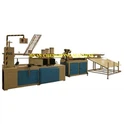
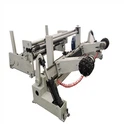
Hey there! As a supplier of Paper Drum Making Machines, I often get asked about the learning curve for operating these nifty pieces of equipment. So, I thought I'd break it down for you in this blog post.
First off, let's talk about what a paper drum making machine is. These machines are used to produce paper drums, which are widely used for packaging all sorts of stuff, from food products to industrial chemicals. They're eco - friendly and cost - effective, making them a popular choice in the packaging industry.
The Basics: Getting to Know Your Machine
When you first get your hands on a paper drum making machine, it can seem a bit intimidating. There are all these buttons, levers, and parts that you're not sure what they do. But don't worry, most modern paper drum making machines come with a user manual that's pretty detailed. It'll tell you about the different components of the machine, like the feeding system, the winding mechanism, and the cutting unit.
For example, the feeding system is responsible for bringing in the paper into the machine. You need to make sure the paper is loaded correctly, otherwise, you might run into problems later on. The winding mechanism is what actually wraps the paper around a core to form the drum. And the cutting unit is used to cut the paper at the right length once the drum has been formed.
If you're interested in specific types of paper drum making machines, we have some great options. Check out our Automatic Paper Drum Winding Machine. It's a high - tech machine that can automate a lot of the drum - making process, which can be a huge time - saver.


Initial Training: How Long Does It Take?
The initial training period for operating a paper drum making machine can vary depending on a few factors. If you're a complete newbie to the world of machinery, it might take you a bit longer to get the hang of things. But if you have some experience with similar equipment, you'll probably pick it up faster.
On average, it could take anywhere from a few days to a couple of weeks to get comfortable with the basic operation of the machine. During this time, you'll be learning how to set up the machine, adjust the settings for different drum sizes, and troubleshoot some common issues.
Let's say you want to make drums of different diameters. You'll need to adjust the winding speed and the tension of the paper to ensure that the drums are formed correctly. This might take a bit of practice, but once you get the knack of it, it becomes second nature.
Another important aspect of training is safety. You need to know how to operate the machine safely to avoid any accidents. This includes wearing the right protective gear, like gloves and safety glasses, and following the safety procedures outlined in the manual.
Intermediate Skills: Mastering the Process
Once you've got the basics down, it's time to start mastering the intermediate skills. This involves things like optimizing the production process to increase efficiency and quality.
For instance, you can learn how to reduce waste by adjusting the cutting length more precisely. You'll also start to understand how different types of paper affect the final product. Some papers are thicker, some are more flexible, and each type will require different settings on the machine.
At this stage, you might also want to look into our Parallel Cardboard Tube Winding Machine. It's designed for making parallel - wound tubes, which can be used for various applications.
Advanced Knowledge: Troubleshooting and Customization
As you gain more experience, you'll move on to the advanced level of operating the paper drum making machine. This is where you become a real pro at troubleshooting complex issues and customizing the machine for special requirements.
Let's say the machine starts making a strange noise or the drums are coming out with uneven walls. You'll need to be able to diagnose the problem quickly and come up with a solution. This might involve checking the mechanical parts for wear and tear, or adjusting the electrical settings.
Customization is another area where advanced knowledge comes in handy. Some customers might have specific requirements for their drums, like a unique shape or a special printing on the surface. You'll need to know how to modify the machine to meet these needs.
Our Parallel Paper Tube Winder can also be customized to a certain extent, allowing you to produce tubes that meet your customers' exact specifications.
Continuous Learning: Staying Up - to - Date
The world of paper drum making machines is constantly evolving. New technologies are being developed all the time to make the machines more efficient, more reliable, and more user - friendly.
That's why continuous learning is so important. You need to stay up - to - date with the latest trends and improvements in the industry. This could involve attending training courses, reading industry magazines, or networking with other professionals.
By staying informed, you'll be able to take advantage of the latest features and technologies to improve your production process and stay ahead of the competition.
Conclusion: Is It Worth the Effort?
So, what's the bottom line? The learning curve for operating a paper drum making machine can be a bit steep, but it's definitely worth the effort. Once you've mastered the skills, you'll be able to produce high - quality paper drums efficiently, which can lead to increased profits for your business.
If you're interested in getting started with a paper drum making machine, we're here to help. Whether you're a small business just starting out or a large corporation looking to upgrade your equipment, we have the right machine for you.
Don't hesitate to reach out if you have any questions or if you're ready to start a conversation about purchasing a paper drum making machine. We're always happy to talk about how our machines can meet your needs and help you grow your business.
References
- General knowledge of paper drum making machine operation and industry trends.
- User manuals of our paper drum making machines.